




What's Happening?
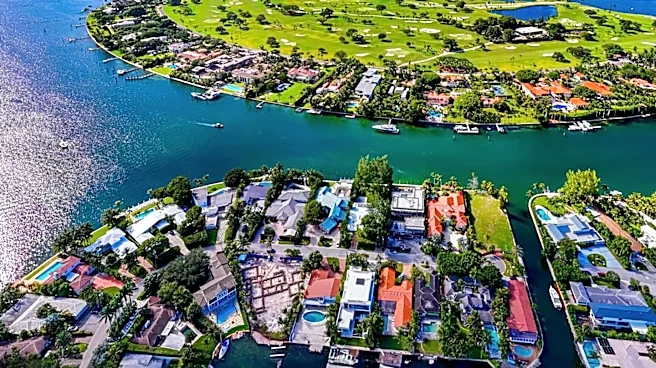
In Miami, newly built urban homes are commanding a significant price premium, with median listing prices reaching $2.57 million compared to $459,000 for existing urban homes. This trend is part of a broader national pattern where new urban constructions
are priced significantly higher than existing homes. The demand for urban housing, coupled with limited supply and years of underproduction, has contributed to this price disparity. Miami leads the nation with a 305.2% premium on new urban homes, reflecting the high demand and challenges in delivering new housing in urban areas.
Why It's Important?
The substantial price premium for new urban homes in Miami highlights the ongoing challenges in the U.S. housing market, particularly in urban areas. This trend underscores the tension between high demand and constrained affordability, which could have long-term implications for urban development and housing policy. The high prices may exacerbate affordability issues, potentially driving more residents to seek housing in suburban or rural areas. Additionally, the premium on new urban homes could influence real estate investment strategies and urban planning decisions, as stakeholders seek to balance demand with sustainable development.
What's Next?
As the demand for urban housing continues to outpace supply, policymakers and developers may need to explore solutions to address affordability and increase housing availability. Legislative efforts to reduce regulatory barriers and promote 'light-touch density' could play a role in alleviating the housing shortage. Additionally, ongoing discussions in Congress regarding housing policy, including potential bans on institutional investors, could impact the market dynamics. Stakeholders will be monitoring these developments closely, as they could shape the future of urban housing and real estate investment strategies.