







What's Happening?
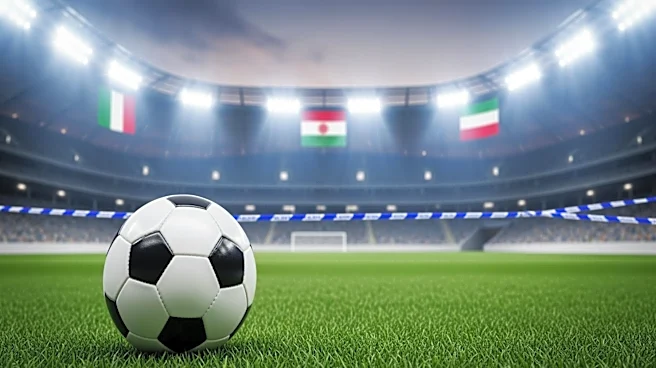
Philadelphia, along with other U.S. cities, is taking steps to make the 2026 World Cup more affordable for fans. The city is offering public transportation to matches at Lincoln Financial Field for just $2.90, and ticket prices on the secondary market
have decreased by 16% from the previous month. Hotels remain reasonably priced, and fan fests will be free throughout the tournament. This approach contrasts with other cities where transportation costs have surged, such as New York City, where train tickets to MetLife Stadium initially rose to $150 before dropping to $98. Atlanta and Kansas City are also implementing measures to keep costs down, with Atlanta maintaining low concession prices and Kansas City offering affordable bus services. These efforts aim to prioritize fan experience over maximizing revenue.
Why It's Important?
The decision by cities like Philadelphia to prioritize fan affordability during the World Cup is significant as it challenges the trend of high costs associated with major sporting events. By keeping prices low, these cities are enhancing their reputations as fan-friendly destinations, potentially boosting tourism and local economies. This approach also sets a precedent for future events, demonstrating that it is possible to host large-scale events without imposing excessive financial burdens on attendees. However, this strategy may limit the financial benefits that cities could gain from hosting the World Cup, as they forego potential revenue that could be invested in legacy projects.
What's Next?
As the World Cup approaches, other host cities may observe Philadelphia's strategy and consider similar measures to enhance fan experience. The success of these initiatives could influence future decisions on event pricing and accessibility. Additionally, the response from fans and the media will likely impact how cities are perceived as hosts, potentially affecting their ability to attract future events. The balance between fan satisfaction and financial gain will continue to be a topic of discussion among city planners and event organizers.