








What's Happening?
The ongoing conflict in Iran has led to sustained high mortgage rates in the United States, affecting the housing market's anticipated recovery. As of early June, the average 30-year fixed-rate mortgage stands at 6.52%, according to Freddie Mac. This
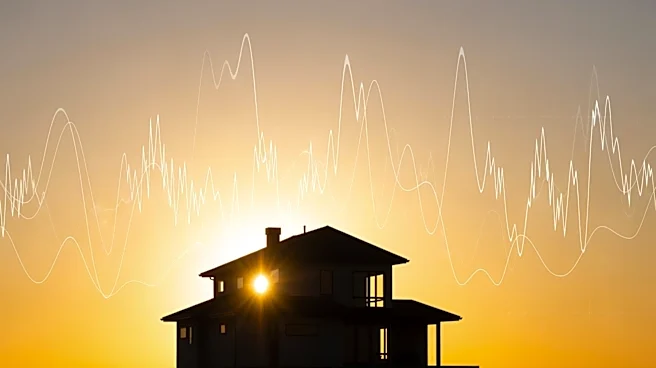
rate is higher than the 6.0% to 6.30% range experts predicted for the year, influenced by the geopolitical tensions. Joel Berner, a senior economist at Realtor.com, noted that the conflict has been a significant factor in the rate fluctuations, with potential ceasefires temporarily lowering rates, only for them to rise again with renewed hostilities. Despite a slight increase in home sales from the previous year, the market has not rebounded as strongly as expected, largely due to these elevated rates.
Why It's Important?
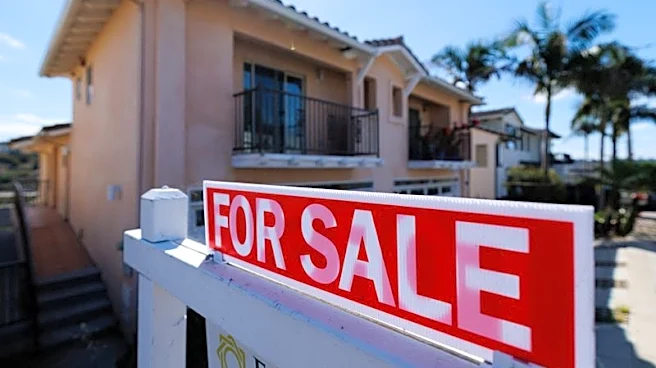
The high mortgage rates have significant implications for the U.S. housing market and potential homebuyers. Many individuals who were hoping to purchase homes are now sidelined due to affordability issues, as the rates remain higher than anticipated. This situation has stalled the housing market's recovery, which was expected to gain momentum this year. The sustained high rates are a result of the geopolitical instability, which has overshadowed other economic factors that typically influence mortgage rates. The inability of rates to decrease as expected means that the pent-up demand for housing remains unmet, delaying the market's potential growth and affecting economic stakeholders, including real estate agents, homebuilders, and prospective buyers.
What's Next?
As the conflict in Iran continues, mortgage rates are likely to remain in the mid-6% range, according to experts. This ongoing situation suggests that the housing market may not see the robust recovery anticipated earlier. Stakeholders in the housing industry will need to navigate these challenges, potentially looking for alternative solutions to make home buying more accessible despite the high rates. Lenders may offer different loan types or incentives to attract buyers, but the overall market dynamics will largely depend on geopolitical developments and their impact on economic conditions.