



What's Happening?
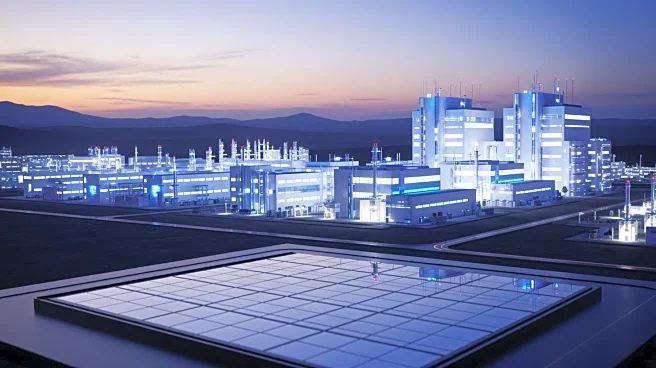
Wilmington PharmaTech, a U.S.-based research, development, and manufacturing organization, has announced a $50 million expansion of its Delaware campus. This expansion aims to more than double the company's current API reactor capacity, addressing the growing
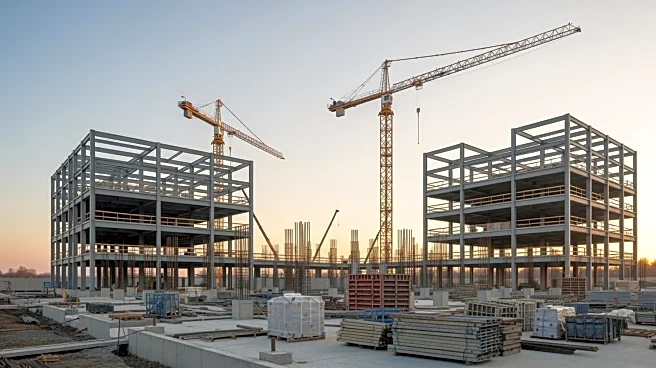
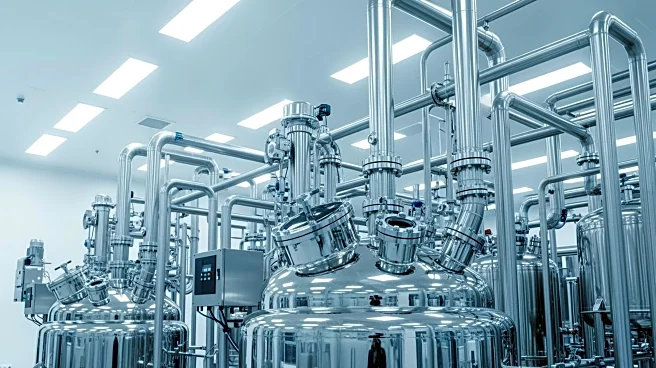
demand for high-quality, U.S.-based manufacturing. The expansion will include the addition of two new 10,000-liter reactor suites, significantly enhancing Wilmington's commercial-scale manufacturing capabilities. These new suites are expected to be operational by the third quarter of 2027. This investment is part of Wilmington's multi-year strategy to expand domestic API manufacturing capacity, building on recent additions of dedicated suites for highly potent API production. The expansion is expected to approximately double the workforce at the site.
Why It's Important?
The expansion by Wilmington PharmaTech is significant as it strengthens the U.S. pharmaceutical manufacturing sector, particularly in the production of small-molecule APIs. This move is crucial for enhancing domestic supply chain resilience, reducing dependency on foreign manufacturing, and ensuring a reliable supply of critical therapies. By increasing its manufacturing capacity, Wilmington positions itself as a key partner for biopharmaceutical innovators seeking secure and scalable domestic production. This development also supports the broader industry trend of reshoring pharmaceutical manufacturing to the U.S., which is vital for national health security and economic stability.
What's Next?
As Wilmington PharmaTech progresses with its expansion, the company will likely focus on recruiting and training additional staff to support the increased manufacturing capacity. The completion of the new reactor suites by 2027 will enable the company to meet the rising demand for APIs and peptides. Stakeholders, including biopharmaceutical companies, may respond positively to this development, as it offers a more secure and efficient supply chain for drug production. Additionally, the expansion could prompt other U.S. pharmaceutical manufacturers to invest in similar capacity-building initiatives.