

What's Happening?
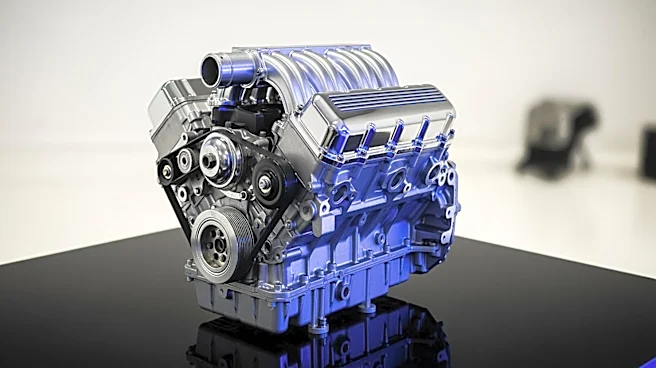
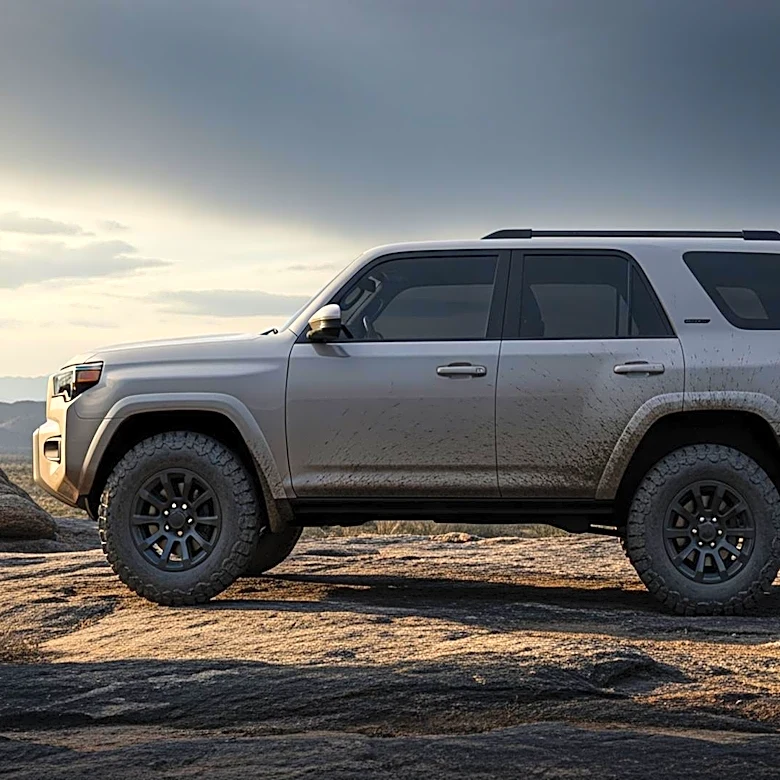
The 2026 Ford F-250 Super Duty Lariat has been tested with Ford's 7.3-liter V-8 engine, known as 'Godzilla'. This engine option, priced at $1,500 over the base model, delivers 430 horsepower and 485 pound-feet of torque. The vehicle can accelerate from
0 to 60 mph in 6.2 seconds and complete a quarter-mile in 14.7 seconds at 93 mph. The F-250's stability control can be fully deactivated, allowing for controlled drifts. Despite its power, the F-250 maintains a higher payload capacity than its diesel counterpart due to a lower curb weight. The vehicle's fuel economy is observed at 10 mpg, with a highway rating of 15 mpg.
Why It's Important?
The introduction of the 7.3-liter V-8 engine in the 2026 Ford F-250 Super Duty Lariat highlights a significant shift in the heavy-duty truck market, where gasoline engines are often overshadowed by diesel options. This engine offers a cost-effective alternative to the more expensive diesel engines, providing substantial power and towing capacity without the higher price tag. The vehicle's performance metrics suggest it can meet the needs of consumers who require robust towing capabilities but prefer the lower initial cost and maintenance of a gasoline engine. This development could influence purchasing decisions among truck buyers, potentially impacting the market share of diesel engines in heavy-duty trucks.
What's Next?
As the 2026 Ford F-250 Super Duty Lariat enters the market, consumer response will be critical in determining the future of gasoline engines in heavy-duty trucks. Ford may continue to refine and promote gasoline options if the market shows a preference for the cost savings and performance balance offered by the 7.3-liter V-8. Additionally, competitors may respond by enhancing their gasoline engine offerings or adjusting pricing strategies to remain competitive. The broader industry may also see shifts in marketing strategies as manufacturers highlight the benefits of gasoline engines in heavy-duty applications.
Beyond the Headlines
The introduction of the 7.3-liter V-8 engine in the Ford F-250 Super Duty Lariat raises questions about the environmental impact of gasoline versus diesel engines. While gasoline engines typically produce fewer nitrogen oxides than diesel engines, they may emit more carbon dioxide. This development could prompt discussions on the environmental trade-offs between engine types and influence regulatory policies. Additionally, the vehicle's ability to deactivate stability control for controlled drifts may appeal to enthusiasts, potentially expanding the truck's market beyond traditional utility buyers.