


What's Happening?
Oil prices experienced a significant drop, marking the largest decline in four years, as traders faced uncertainty regarding the resumption of tanker traffic through the Strait of Hormuz. West Texas Intermediate (WTI) crude fell by 12% to settle just
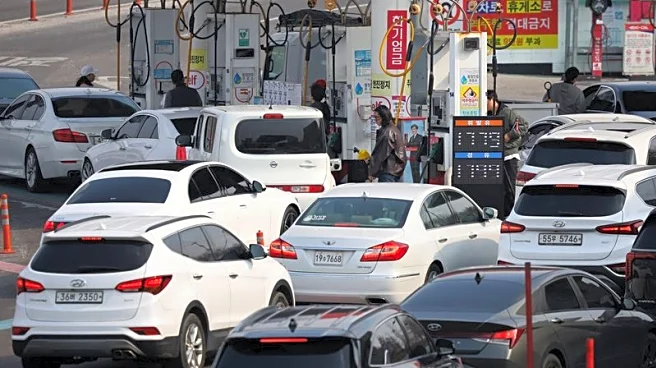
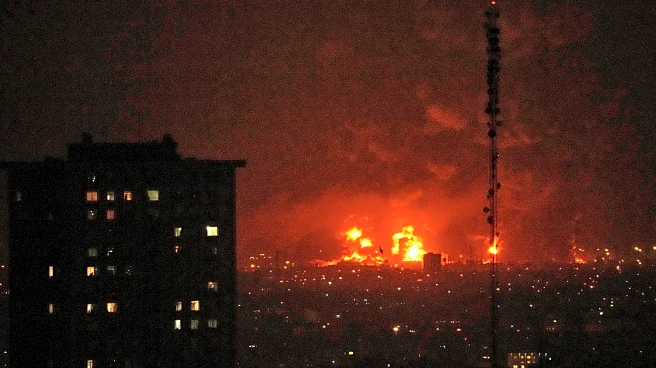
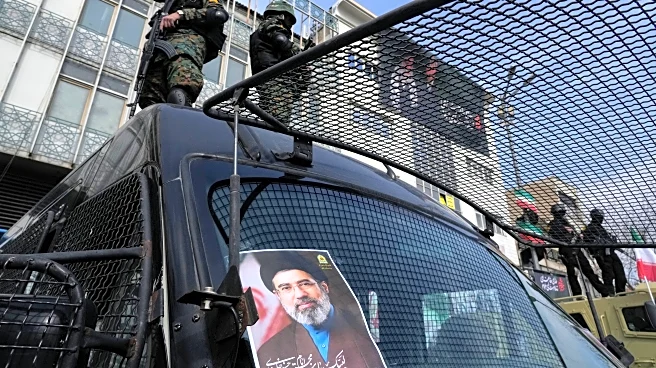
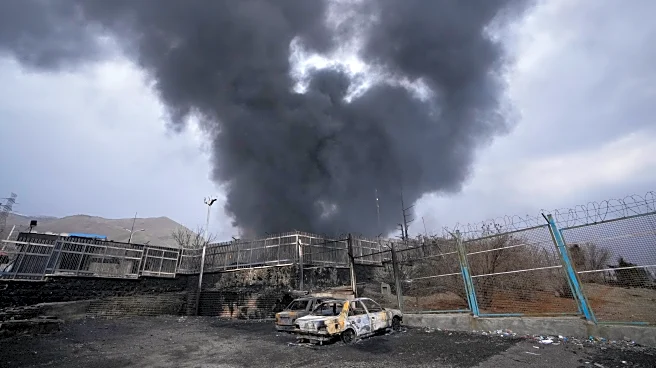
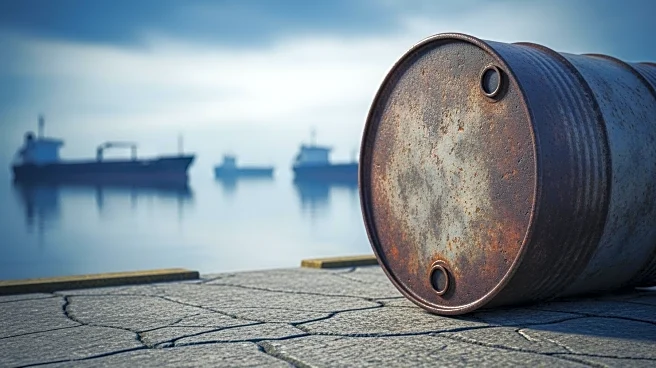
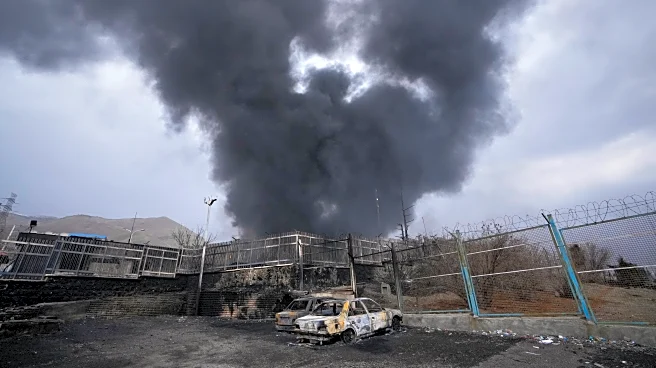
above $83 per barrel. This decline followed mixed messages from U.S. officials about the status of tanker escorts through the Strait, a crucial passage for global crude exports. The White House contradicted an earlier social media post by Energy Secretary Chris Wright, which suggested that a U.S. naval escort had occurred. The post was later deleted, and Iran's semi-official Fars news agency also reported no U.S. naval escort had taken place. The situation has added to the volatility in energy markets already affected by the ongoing conflict between Iran and Israel, which has disrupted commercial shipping through the Strait and led to export bottlenecks.
Why It's Important?
The drop in oil prices highlights the sensitivity of global energy markets to geopolitical tensions and policy signals. The Strait of Hormuz is a vital chokepoint, carrying about one-fifth of the world's oil supply. Any disruption in this region can significantly impact global oil prices and supply chains. The current uncertainty has led to increased market volatility, with historical volatility in WTI futures reaching its highest level since September 2022. Despite the recent price drop, crude prices remain elevated, nearly 40% higher than at the start of the year, due to the prolonged disruption in Hormuz. This situation underscores the potential for further economic instability and the need for contingency plans by major oil-consuming nations to stabilize markets if supply disruptions continue.
What's Next?
The future of oil prices and market stability will largely depend on the resolution of the geopolitical tensions affecting the Strait of Hormuz. The Group of Seven nations has already asked the International Energy Agency to prepare scenarios for a possible coordinated release of emergency oil stockpiles, indicating that major consuming nations are preparing for potential supply disruptions. Additionally, President Trump mentioned the possibility of waiving certain oil-related sanctions and deploying naval escorts for tankers, though details remain unclear. Until tanker traffic through Hormuz resumes, global oil markets are expected to remain highly sensitive to developments in the region.