





What's Happening?
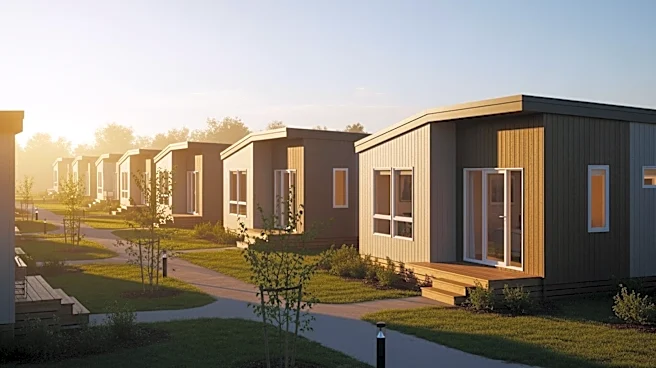
The U.S. is facing a shortage of 4.03 million homes, and manufactured housing is being considered as a viable solution. These homes, built in factories and assembled on-site, offer a cost-effective alternative to traditional construction. However, challenges
such as outdated definitions and stigmas associated with manufactured homes persist. Industry experts suggest that policy changes and better data classification could help overcome these hurdles, making manufactured housing a more mainstream option.
Why It's Important?
Manufactured housing could significantly impact the U.S. housing market by providing affordable options in a time of rising construction costs and labor shortages. This approach could reduce building time and material waste, offering a sustainable solution to the housing crisis. If embraced, it could lead to increased housing availability, particularly in underserved areas, and potentially stabilize housing prices by meeting demand more efficiently.
What's Next?
For manufactured housing to become a mainstream solution, significant policy changes are needed. This includes redefining manufactured homes in state and local laws to separate them from mobile homes and addressing zoning challenges. Increased investment in manufacturing facilities and incentives for factory-built homes could also drive growth in this sector. As more states consider these changes, the potential for manufactured housing to reshape the housing market grows.