


What's Happening?
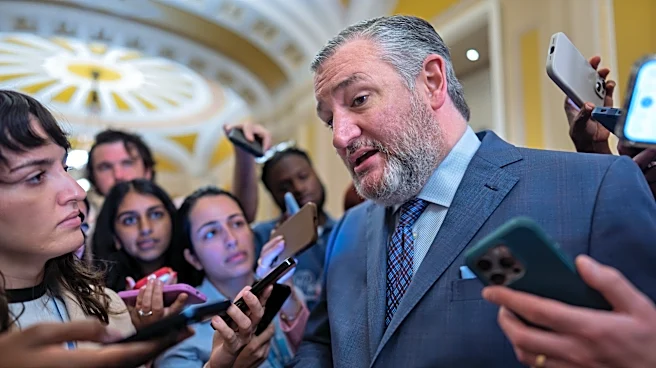
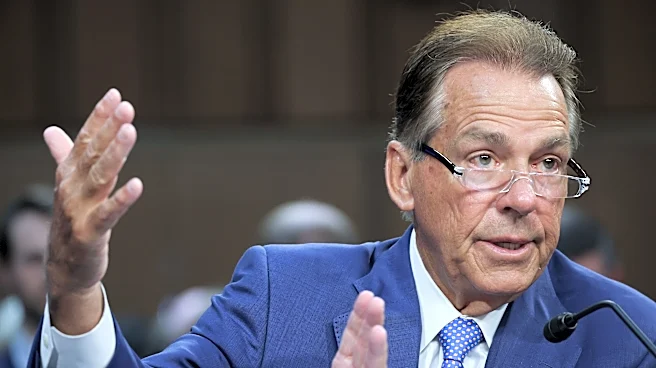
Nick Saban, the renowned former college football coach, testified before Congress in support of a bill aimed at regulating Name, Image, and Likeness (NIL) agreements in college sports. The proposed legislation seeks to cap athlete earnings and restrict
player movement, a stance that Saban supports, reflecting his desire for a return to more traditional power dynamics in college athletics. During his testimony, Saban highlighted concerns about the current 'arms race' in college sports, where financial incentives heavily influence player decisions. He also pointed out the disparity in earnings between athletes and coaches, questioning the fairness of current practices.
Why It's Important?
Saban's testimony is pivotal as it brings attention to the ongoing debate over NIL regulations and the broader implications for college sports. The proposed bill could significantly impact how college athletes are compensated and how they navigate their careers. For institutions, this could mean a shift in how they attract and retain talent, potentially leveling the playing field. However, the bill also raises questions about fairness and the autonomy of athletes, as it seeks to impose restrictions that could limit their earning potential. The outcome of this legislative effort could set a precedent for future policies in college athletics.
What's Next?
The congressional committee will continue to deliberate on the proposed NIL bill, with potential amendments and further testimonies from stakeholders in college sports. If passed, the bill could lead to significant changes in how NIL agreements are structured and enforced. Institutions and athletes alike will need to adapt to any new regulations, which may involve renegotiating existing contracts and adjusting recruitment strategies. The debate is likely to continue, with advocates for athlete rights pushing back against perceived restrictions on player autonomy and earnings.