





What's Happening?
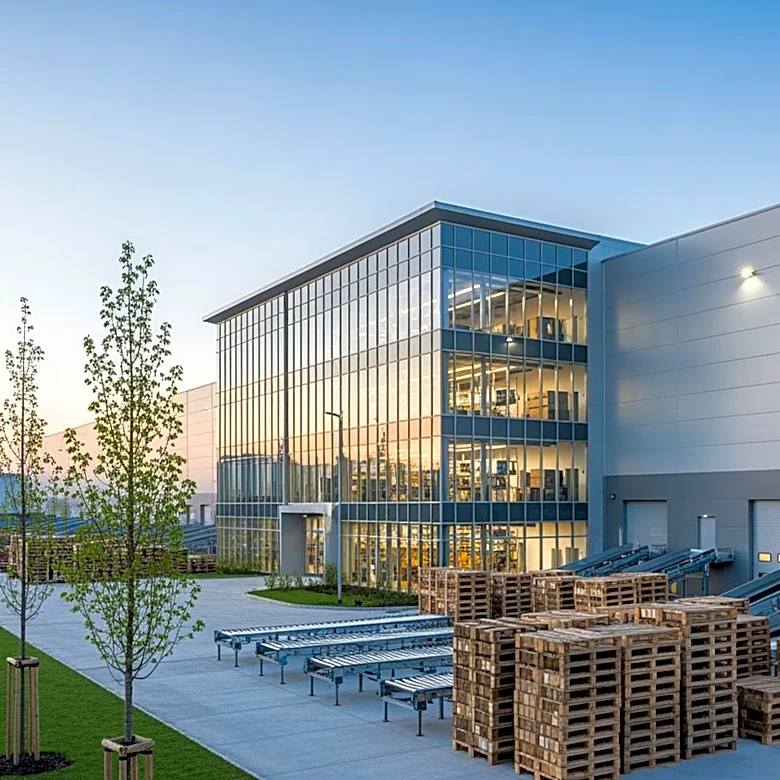
Data centers have emerged as a critical driver of nonresidential construction growth in the U.S., according to a report by Construction Dive. The Dodge Momentum Index, which tracks nonresidential construction projects entering the planning stages, rose
by 1.8% in March. This increase was largely attributed to a surge in data center projects, which offset declines in other sectors. While commercial planning saw a 7% increase, institutional projects experienced an 8.8% drop, with only education and public buildings showing minor gains. Without the data center boom, commercial planning would have decreased by 12.7% compared to the previous year.
Why It's Important?
The reliance on data centers for growth highlights a significant shift in the construction industry, reflecting broader economic and technological trends. As data centers become increasingly vital for supporting digital infrastructure, their expansion is crucial for economic development and job creation. This trend underscores the growing importance of technology in driving economic activity, as traditional sectors face challenges. The focus on data centers also suggests a potential vulnerability, as the construction industry's health becomes more dependent on a single sector. This could have implications for economic stability if demand for data centers fluctuates.
What's Next?
The continued growth of data centers is likely to influence future construction trends, with potential impacts on urban planning and infrastructure development. As demand for digital infrastructure rises, cities may need to adapt to accommodate these facilities, which could lead to changes in zoning laws and land use policies. Additionally, the construction industry may need to diversify its focus to mitigate risks associated with over-reliance on a single sector. Stakeholders, including policymakers and industry leaders, will need to consider strategies to balance growth across different sectors to ensure long-term economic resilience.