
What's Happening?
Pearl Fryar, a world-renowned topiary artist, passed away on April 3 at the age of 86. Fryar, who was born to sharecroppers in North Carolina, began his artistic journey later in life. In 1980, he purchased
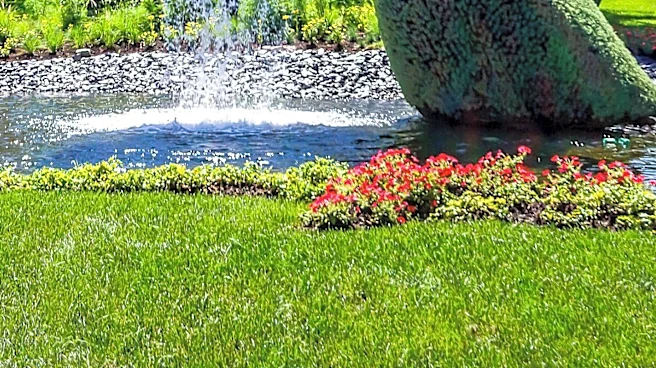
a plot of land in Bishopville, South Carolina, which was initially a cornfield. Over time, he transformed this land into the Pearl Fryar Topiary Garden, a three-acre site that became internationally celebrated. Fryar's work involved shaping hundreds of plants into intricate and whimsical forms, many of which were rescued from nursery compost piles. His garden attracted visitors from around the world, becoming a symbol of creativity, resourcefulness, and perseverance. Fryar's life and work were also featured in the documentary 'A Man Named Pearl,' which won several awards and further solidified his reputation as an inspirational figure.
Why It's Important?
Pearl Fryar's work has had a significant impact on both the art world and the local community in Bishopville, South Carolina. His garden not only serves as a creative landmark but also as a testament to the power of dedication and vision in transforming overlooked spaces. Fryar's story is one of inspiration, showing how passion and perseverance can lead to global recognition. His work has brought attention to the art of topiary and has inspired many to see the potential in neglected or discarded materials. The documentary about his life has further amplified his influence, reaching audiences far beyond the topiary community and highlighting the cultural and artistic contributions of African Americans.
What's Next?
With Fryar's passing, the future of the Pearl Fryar Topiary Garden may come into focus as the community and art enthusiasts consider how to preserve and continue his legacy. There may be efforts to maintain the garden as a public space or to establish educational programs that teach Fryar's techniques and philosophy. Additionally, the documentary 'A Man Named Pearl' may see renewed interest, potentially leading to further exhibitions or discussions about Fryar's impact on art and community development.
Beyond the Headlines
Pearl Fryar's work raises important questions about the role of art in community building and the potential for creative expression to drive social change. His ability to transform discarded plants into works of art challenges conventional notions of waste and value, encouraging a more sustainable and resourceful approach to both art and life. Fryar's legacy also highlights the importance of accessibility in the arts, as his garden was open to the public and served as a source of inspiration for people from all walks of life.