



What's Happening?
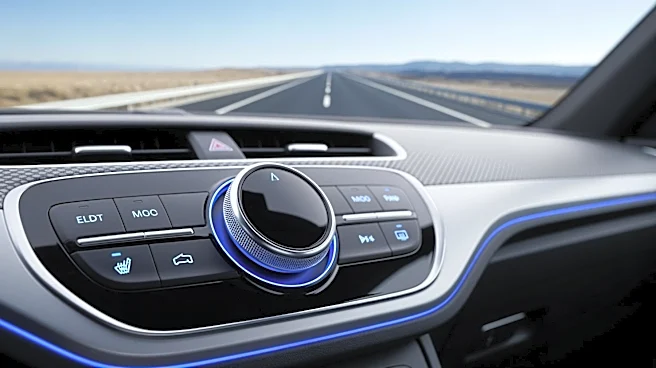
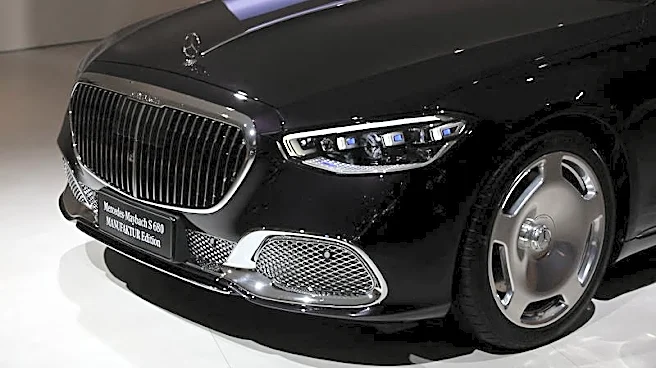
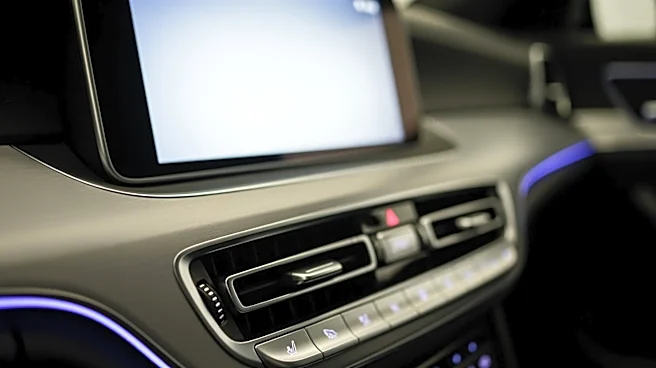
Mercedes-Benz has announced a shift in its vehicle design strategy by reintroducing physical buttons in its latest models. This decision comes after feedback and data indicated that touchscreens, while innovative, can be less user-friendly and potentially
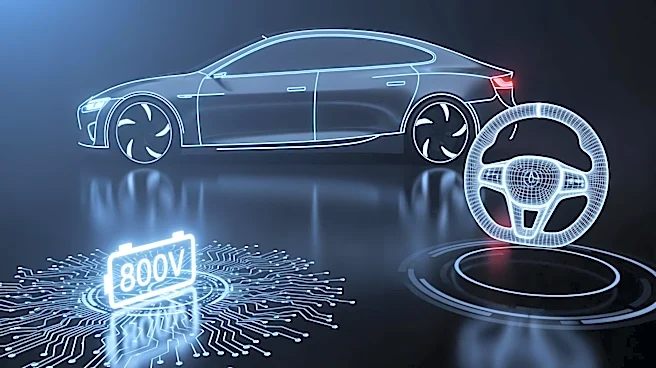
distracting for drivers. The company's software chief, Magnus Östberg, acknowledged that physical controls offer better ergonomics, allowing drivers to adjust settings without taking their eyes off the road. This change is reflected in new models like the GLC and CLA Shooting Brake, which now feature redesigned steering wheels with tactile buttons.
Why It's Important?
The move by Mercedes highlights a significant industry trend where automakers are reassessing the balance between digital innovation and practical usability. As safety organizations like Euro NCAP emphasize the importance of minimizing driver distraction, the return to physical controls could enhance vehicle safety and user experience. This decision may influence other manufacturers to reconsider their design philosophies, potentially leading to a broader industry shift towards integrating more intuitive controls. The change underscores the importance of aligning technological advancements with user needs and safety standards.
What's Next?
Mercedes' decision to bring back physical buttons is likely to prompt discussions within the automotive industry about the future of in-car technology. Other manufacturers may follow suit, especially if consumer feedback and safety data support the benefits of physical controls. As the industry continues to innovate, finding the right balance between digital interfaces and traditional controls will be crucial. Future vehicle designs may increasingly focus on hybrid solutions that combine the best of both worlds, ensuring safety and convenience for drivers.