


What's Happening?
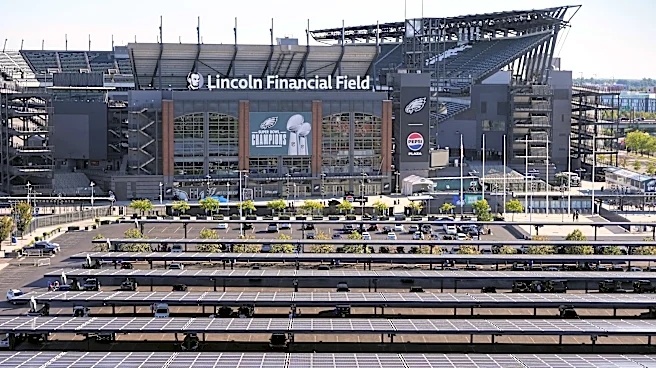
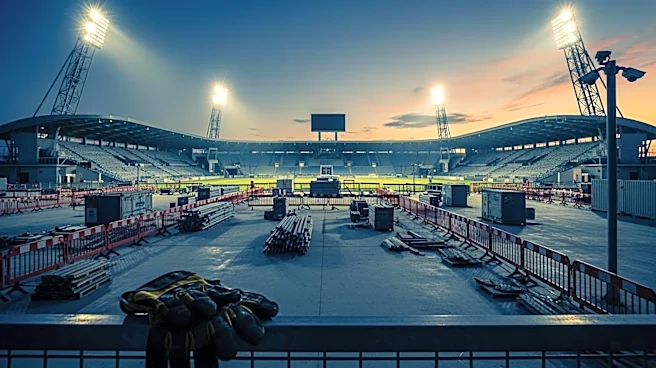
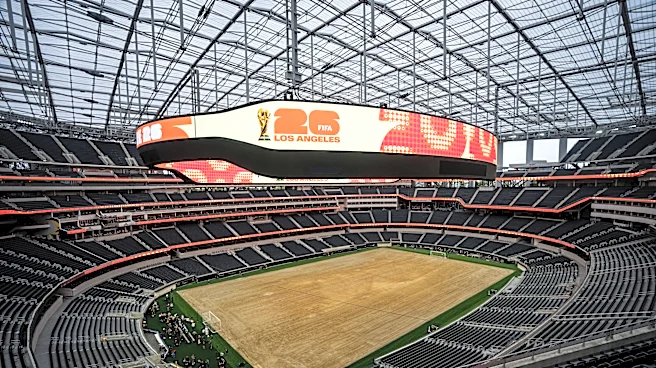
The 2026 FIFA World Cup, set to take place in North America, faces potential disruptions due to summer weather conditions, particularly thunderstorms. While some stadiums in cities like Atlanta, Dallas, and Los Angeles have roofs, others are exposed to the elements,
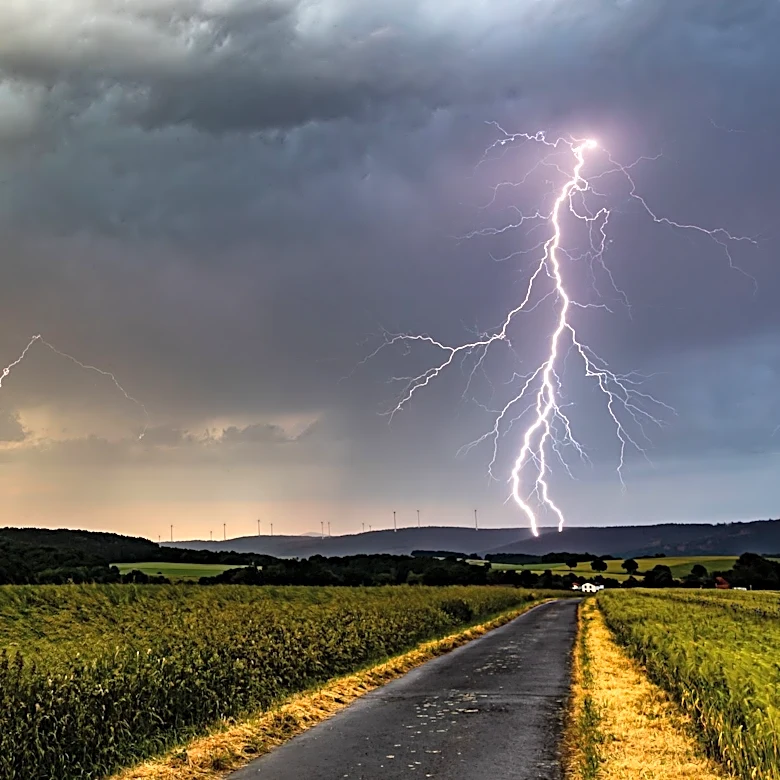
making them susceptible to lightning delays. Such delays have already affected matches, as seen in a recent friendly between Saudi Arabia and Puerto Rico in Austin, Texas. Lightning within an eight-mile radius of a stadium requires a game to be paused for at least 30 minutes, with the potential for extended delays if lightning persists.
Why It's Important?
Weather-related delays can significantly impact the scheduling and logistics of the World Cup, affecting teams' preparation and performance. Extended delays can disrupt the momentum of a game and require additional warm-up periods for players, potentially leading to fatigue and increased risk of injury. For fans and organizers, these delays can complicate travel plans and broadcasting schedules, highlighting the need for contingency planning to ensure the smooth running of the tournament.
What's Next?
Organizers will need to prepare for potential weather disruptions by developing contingency plans, including rescheduling matches if necessary. Teams may need to adjust their training and game-day routines to account for possible delays. The experience from previous tournaments, such as the FIFA Club World Cup, will be valuable in managing these challenges. Stakeholders will be closely monitoring weather forecasts and implementing safety protocols to minimize the impact of weather on the tournament.