








What's Happening?
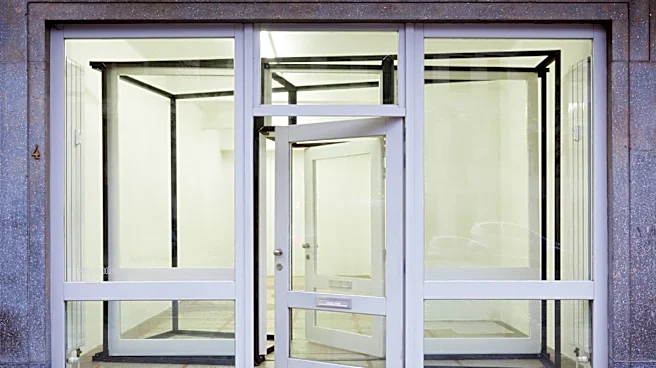
Goodman Gallery, a prominent contemporary art gallery founded in 1966, is undergoing significant changes in response to a prolonged downturn in the art market. Liza Essers, who has owned the gallery since 2008, has decided to pivot the business model
to ensure its sustainability. The gallery is rolling out a new digital platform that offers original content, integrated e-commerce, advisory services, and a secondary-market business. This move comes as the gallery faces rising costs and declining profitability, prompting Essers to cut costs aggressively and invest in alternative revenue streams. Goodman Gallery has also reduced its participation in art fairs, opting out of Art Basel Miami Beach for the first time, and has laid off staff while reducing its artist roster by nearly a third.
Why It's Important?
The changes at Goodman Gallery reflect broader challenges faced by the art industry, particularly the gallery sector, which is grappling with slower sales and surging expenses. As galleries reevaluate the traditional grow-or-go model, Goodman Gallery's shift towards digital platforms and secondary-market sales could serve as a blueprint for other galleries seeking sustainability. This transformation highlights the need for galleries to adapt to changing collector behaviors, which favor personal attention and transactional ease over large, impersonal events. The gallery's focus on building a secondary-market structure and enhancing digital engagement may influence how art is marketed and sold, potentially reshaping industry standards.
What's Next?
Goodman Gallery's new digital platform is expected to play a significant role in its future operations, offering clients a robust e-commerce option and facilitating remote transactions. As the gallery continues to adapt to market shifts, it may further refine its business model to enhance personal engagement with clients. The success of these initiatives could encourage other galleries to explore similar strategies, potentially leading to a broader industry shift towards digital and personalized art sales. Additionally, the gallery's restructuring of physical spaces to accommodate advisory and secondary sales may set a precedent for optimizing gallery operations in a challenging economic environment.
Beyond the Headlines
The pivot by Goodman Gallery underscores the evolving nature of the art market, where traditional models are increasingly challenged by economic pressures and changing consumer preferences. The gallery's focus on the Global South and its investment in digital platforms may also contribute to a more inclusive and diverse art market, offering greater visibility to artists from underrepresented regions. Furthermore, the integration of e-commerce and advisory services could democratize access to art, allowing a wider audience to engage with and purchase works from renowned artists. This shift may also prompt discussions on the ethical implications of digital art sales and the role of technology in shaping cultural consumption.