



What's Happening?
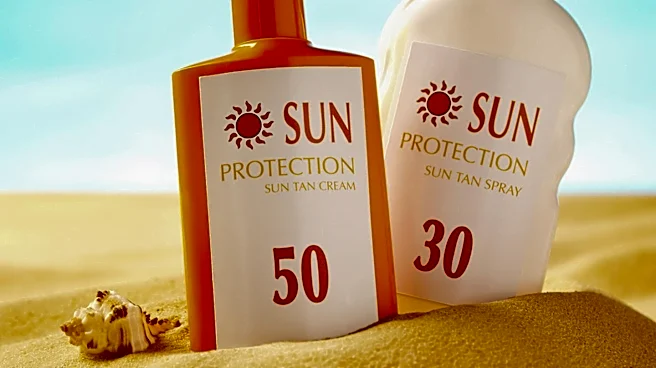
The U.S. Food and Drug Administration (FDA) has approved bemotrizinol, a new chemical UV filter, for use in sunscreens, marking the first such approval in over 25 years. Bemotrizinol is known for its ability to protect against both ultraviolet A and B rays
while maintaining low absorption levels through the skin. This approval aligns the U.S. with other countries that have long utilized bemotrizinol in sunscreen formulations. Popular international sunscreens, such as Bioré UV and La Roche-Posay’s Anthelios, already incorporate this ingredient. Although the FDA's approval does not immediately make these products available in the U.S., it is a significant step towards modernizing sunscreen options domestically.
Why It's Important?
The approval of bemotrizinol is a pivotal development for the U.S. skincare industry, which has lagged behind other countries in adopting advanced sunscreen formulations. This move could lead to a broader range of effective sun protection products in the U.S. market, potentially reducing skin cancer rates and improving public health outcomes. The decision also reflects a shift in regulatory practices, potentially paving the way for faster approval of other innovative skincare ingredients. Consumers and manufacturers alike stand to benefit from increased access to more effective sun protection solutions.
What's Next?
Following the FDA's approval, sunscreen manufacturers may begin reformulating their products to include bemotrizinol, though it may take time for these products to reach the market. The approval could also encourage the FDA to expedite the review process for other pending sunscreen ingredients, further aligning U.S. regulations with international standards. Industry stakeholders, including dermatologists and consumer advocacy groups, are likely to monitor the rollout of bemotrizinol-containing products closely, assessing their impact on consumer choices and health outcomes.