






What's Happening?
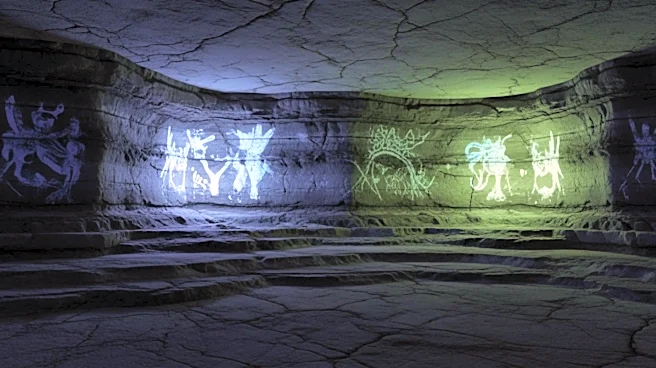
Werner Herzog's acclaimed documentary 'Cave of Forgotten Dreams' is being re-released in IMAX theaters with a 6K restoration, offering audiences a chance to experience the prehistoric Chauvet Cave paintings in enhanced 3D. Originally released in 2010,
the film explores the earliest known forms of art and culture, dating back over 32,000 years. Herzog's documentary has achieved cult status for its immersive portrayal of the cave's ancient artwork, which is considered the birthplace of the modern human soul. The restoration process involved upgrading the film's resolution and audio, providing a more vivid and detailed viewing experience. Herzog's work continues to captivate audiences with its exploration of human history and artistic expression.
Why It's Important?
The re-release of 'Cave of Forgotten Dreams' in IMAX highlights the enduring significance of Herzog's documentary in the realm of art and culture. The film's exploration of prehistoric art offers insights into the origins of human creativity and the development of cultural expression. The enhanced 3D experience allows viewers to appreciate the intricate details of the cave paintings, fostering a deeper understanding of early human history. Herzog's work serves as a reminder of the importance of preserving cultural heritage and the role of film in documenting and interpreting historical artifacts. The restoration process also showcases advancements in film technology, demonstrating the potential for enhancing cinematic experiences.
Beyond the Headlines
The documentary's focus on prehistoric art raises questions about the nature of human creativity and the evolution of cultural expression. It invites viewers to consider the ways in which art has shaped human identity and societal development over millennia. Herzog's film also prompts discussions on the ethical responsibilities of filmmakers in preserving and interpreting historical artifacts. The re-release in IMAX may influence future projects in film restoration and the use of technology to enhance cultural experiences. Additionally, the documentary's exploration of ancient art may inspire new research and scholarship in the fields of archaeology and anthropology.