





What's Happening?
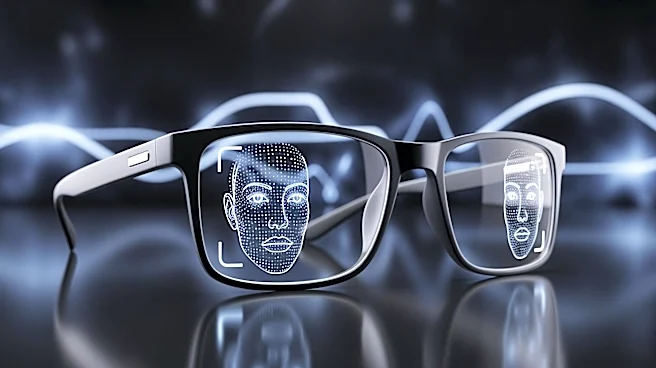
Meta has removed a face-recognition system from its smart glasses app after a report by WIRED revealed its existence. The system, known internally as NameTag, was embedded in the Meta AI app, which is used with Meta's smart glasses. Although the feature
was not publicly activated, it was designed to convert captured faces into biometric signatures and compare them against a database stored on the user's device. The removal of the feature came shortly after WIRED's report, which highlighted the presence of several code libraries related to face recognition in the app. Meta's vice president of communications, Andy Stone, stated that the feature was exploratory and no final decision had been made regarding its implementation. Despite the removal, Meta did not provide answers to several questions posed by WIRED about the system's operation and data handling.
Why It's Important?
The removal of the face-recognition feature from Meta's app underscores the ongoing concerns about privacy and data security in the tech industry. The potential for such technology to be used for surveillance or to infringe on individual privacy rights is significant, especially in a 'dynamic political environment' where privacy and civil liberties are hotly debated. The incident highlights the need for transparency and accountability from tech companies regarding the deployment of biometric technologies. Privacy advocates have raised alarms about the potential misuse of face-recognition systems, which could allow for the identification of individuals in public spaces without their consent. This development may influence public policy and regulatory approaches to biometric data usage, as well as impact consumer trust in tech companies.
What's Next?
Following the removal of the face-recognition feature, Meta may face increased scrutiny from privacy advocates and regulators. The company will likely need to address concerns about how it handles biometric data and ensure compliance with privacy laws. There may be calls for clearer guidelines and opt-in mechanisms for users regarding the use of such technologies. Additionally, Meta's future plans for integrating biometric features into its products could be influenced by the public and regulatory response to this incident. The company may also need to engage in more transparent communication with users and stakeholders to rebuild trust.