




What's Happening?
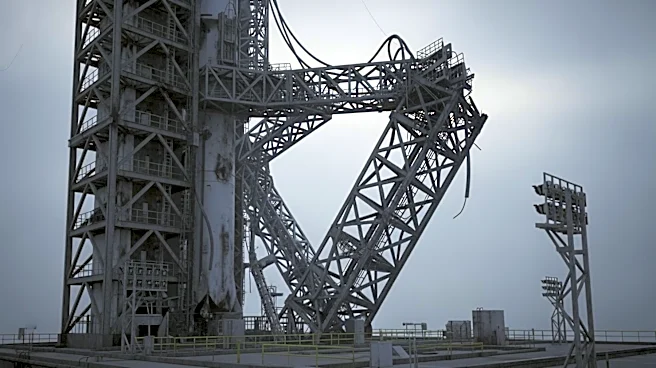
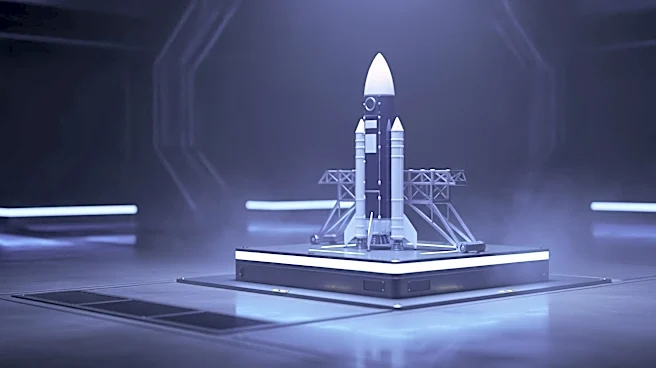
Blue Origin's launch pad at Cape Canaveral, Florida, suffered severe damage following an explosion during a static 'hot-fire' test of the New Glenn rocket. The incident occurred as the rocket was undergoing engine testing, resulting in a massive fireball.
This test was part of preparations for the rocket's fourth orbital launch since January 2025. The explosion has left the launch pad 'practically destroyed,' according to industry sources, and repairs are anticipated to disrupt operations for at least six months. Fortunately, no injuries were reported, and the Amazon Leo satellites intended for the launch had not yet been integrated into the rocket's payload.
Why It's Important?
The explosion and subsequent damage to Blue Origin's launch pad come at a critical time for the company and its owner, Jeff Bezos. Blue Origin is striving to establish itself as a formidable competitor to SpaceX, the current leader in commercial satellite launches. The delay in operations could impact Blue Origin's ability to meet its launch schedules and compete effectively in the commercial space industry. This incident also affects Amazon's satellite program, which relies on Blue Origin for launching its satellites. The setback could have broader implications for the commercial space sector, potentially affecting timelines and market dynamics.
What's Next?
The focus will now be on assessing the full extent of the damage and initiating repairs to the launch pad. Blue Origin will need to address the technical and logistical challenges posed by the explosion to resume its launch schedule. The company may also face increased scrutiny from regulatory bodies and stakeholders concerned about safety and reliability. In the interim, Blue Origin might explore alternative launch sites or partnerships to mitigate the impact on its operations. The incident could also prompt a review of safety protocols and testing procedures to prevent similar occurrences in the future.