






What's Happening?
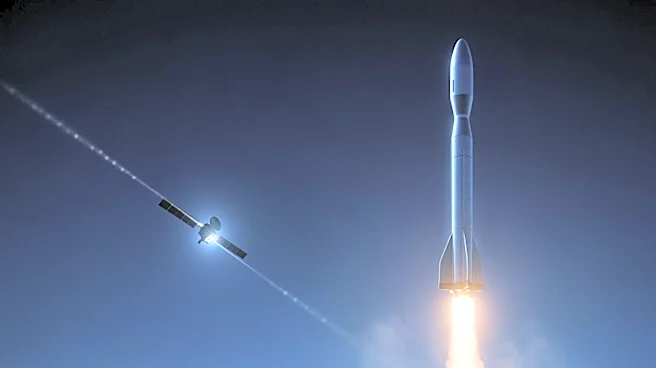
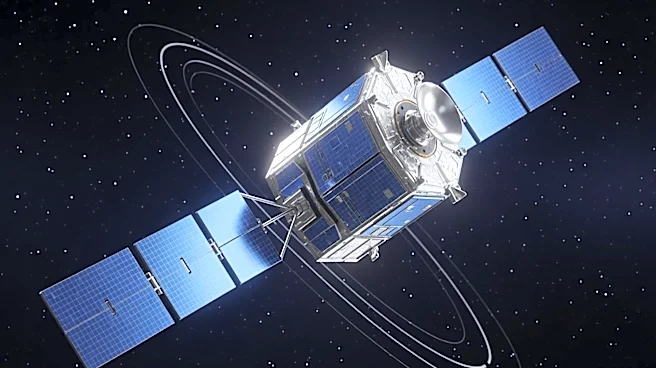
Blue Origin has successfully reused its New Glenn rocket, marking a significant milestone in reusable space technology. The rocket launched AST SpaceMobile’s BlueBird 7 satellite and successfully landed its first stage booster, demonstrating the viability
of reusable launch vehicles. However, the mission faced a setback as the satellite was delivered to a lower orbit than intended, rendering it non-functional. This partial success highlights both the advancements and challenges in commercial spaceflight.
Why It's Important?
The successful reuse of the New Glenn rocket represents a major step forward in reducing the costs associated with space travel, making it more accessible and sustainable. Reusable rockets are crucial for the future of space exploration and commercial satellite deployment, as they can significantly lower the financial barriers to entry. However, the mission's partial failure underscores the complexities involved in space missions and the need for precise execution. This event may influence future strategies and improvements in rocket technology and mission planning.
What's Next?
Blue Origin will likely conduct further tests and refinements to ensure the reliability of its reusable rockets and improve satellite deployment accuracy. The company may also analyze the causes of the satellite's deployment failure to prevent similar issues in future missions. As the commercial space industry continues to grow, companies like Blue Origin will play a pivotal role in shaping the future of space exploration and technology. Stakeholders will be watching closely to see how Blue Origin addresses these challenges and advances its capabilities.