








What's Happening?
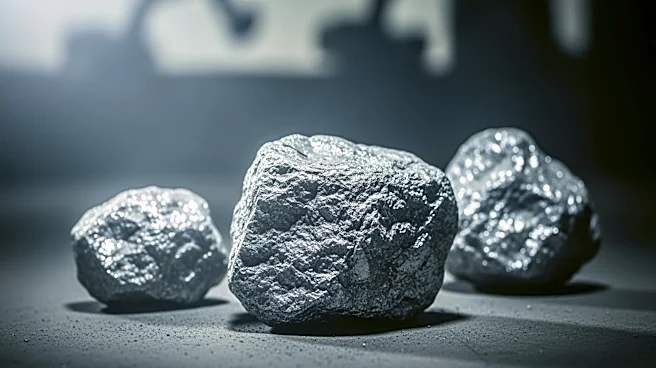
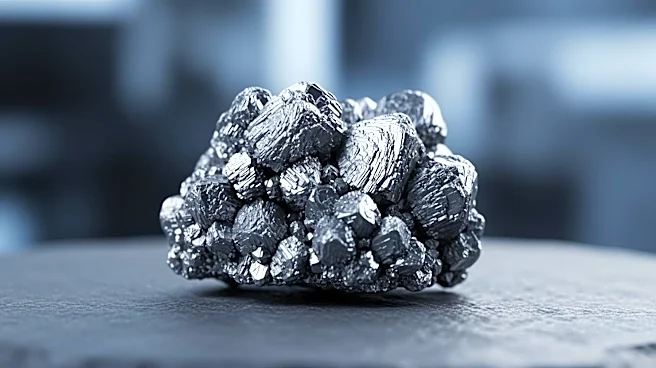
Global natural graphite production is undergoing significant changes, with a projected growth rate of 9.8% annually, reaching 4.9 million tonnes by 2035. This growth is primarily driven by supply diversification, with new projects and expansions in Africa,
particularly in Mozambique, Tanzania, and Madagascar, as well as in Canada and Australia. China's dominance in the graphite market is expected to decline, with its share of global output projected to fall from 74.9% in 2025 to 29.6% by 2035. Mozambique has already become the second-largest producer, overtaking Brazil and Madagascar, due to the restart of the Balama mine. Tanzania and Madagascar are also increasing their output significantly, contributing to the shift in the global graphite supply landscape.
Why It's Important?
The shift in global graphite production has significant implications for the electric vehicle (EV) industry and other sectors reliant on graphite. As Africa's role in graphite production grows, it could lead to more stable and diversified supply chains, reducing dependency on China. This diversification is crucial for industries that require graphite for battery production, as it may lead to more competitive pricing and supply security. The increased production in Africa and other regions could also attract more foreign investment, boosting local economies and creating jobs. Additionally, the decline in China's market share may encourage other countries to develop their own resources, further altering the global economic landscape.
What's Next?
As the global graphite market continues to evolve, several factors will influence its trajectory. Policy and investment conditions in Africa will play a crucial role in sustaining growth. Madagascar's recent decision to lift a moratorium on new mining permits could accelerate project development, while Tanzania's growth will depend on the strategic priorities of foreign investors. The ongoing expansion in Canada and Australia will also contribute to the diversification of supply chains. These developments are likely to reshape the graphite industry, with potential impacts on global trade dynamics and the strategic positioning of countries involved in graphite production.