







What's Happening?
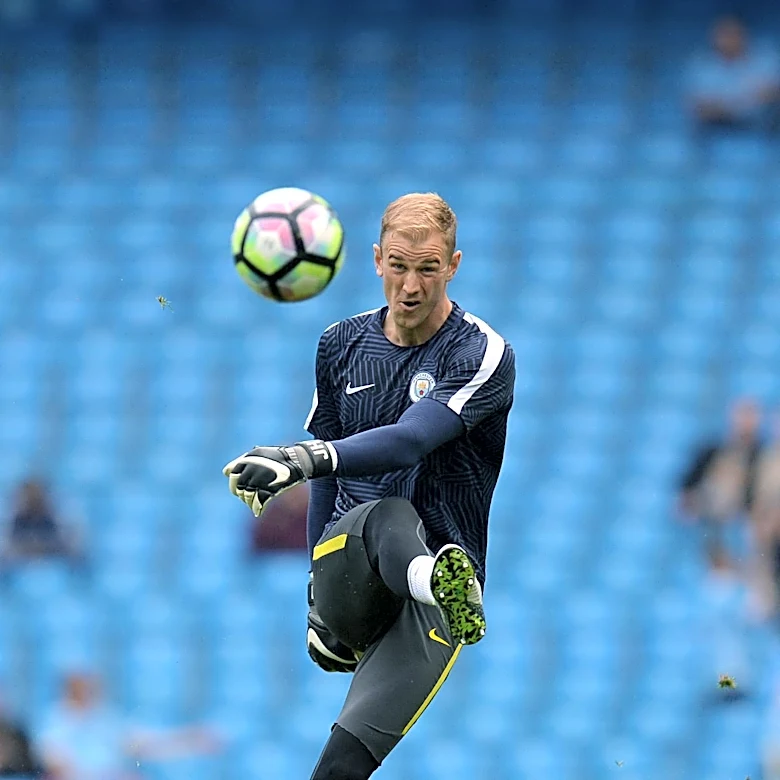
Tim Howard, a renowned figure in U.S. soccer history, is sharing insights into his post-retirement wellness routine. Known for his record-breaking performance as a goalkeeper, Howard has transitioned from the soccer field to a more diverse fitness regimen.
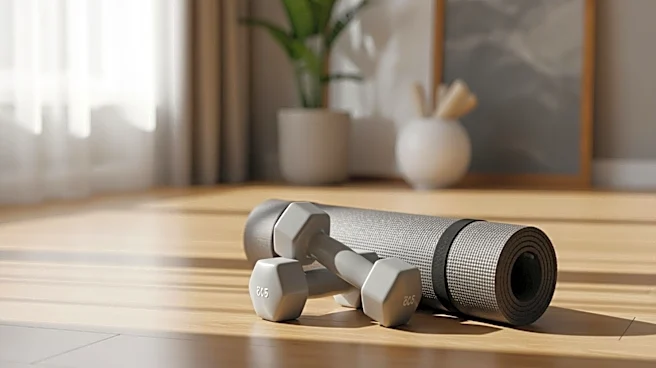
He emphasizes the importance of maintaining physical health through accessible means, such as using a Nike yoga mat for stretching and yoga, regardless of location. Howard also engages in racquet sports like pickleball and tennis, remaining loyal to Wilson equipment. His wellness practices include contrast therapy, particularly cold plunging, which he finds invigorating. Howard's approach to fitness is characterized by practicality and affordability, opting for simple solutions like a hardware store tank for cold plunges instead of expensive equipment.
Why It's Important?
Howard's approach to wellness highlights the significance of maintaining physical health beyond professional sports. His emphasis on affordable and practical fitness solutions can inspire individuals seeking to incorporate wellness into their daily lives without significant financial investment. By sharing his routine, Howard provides a model for sustainable health practices that can be adopted by a broad audience, including those who may not have access to high-end fitness facilities. This approach aligns with a growing trend towards accessible wellness, encouraging people to prioritize health through manageable and cost-effective methods.
What's Next?
As Howard continues to share his wellness journey, it is likely that his influence will extend to a wider audience, potentially inspiring more people to adopt similar practices. His involvement in sports media, such as his role on the NBC Sports desk, provides a platform to further promote these health strategies. Additionally, Howard's engagement with racquet sports and other activities may lead to collaborations or endorsements that align with his fitness philosophy. The broader impact of his wellness advocacy could contribute to a shift in how fitness is perceived and practiced, emphasizing accessibility and practicality.