

What's Happening?
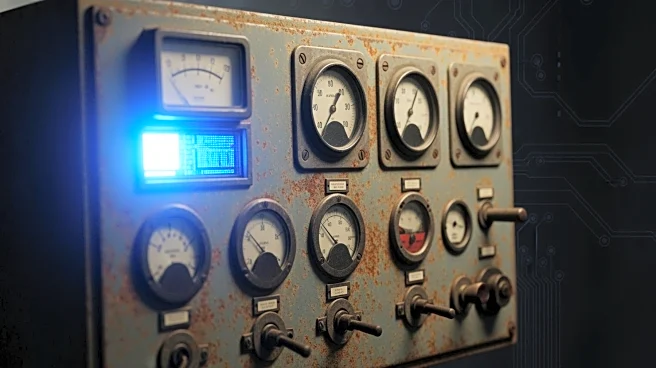
Legacy industrial systems, particularly in sectors like energy and pharmaceuticals, are increasingly recognized as significant cybersecurity risks. Many of these systems operate on outdated software, such as Windows XP, which no longer receives security updates.
Despite the known vulnerabilities, these systems remain in use due to operational pressures and the perceived risks of updating them. This situation creates a 'time bomb' scenario where the potential for cyberattacks is high, yet the willingness to address these vulnerabilities is low.
Why It's Important?
The continued use of legacy systems in critical infrastructure sectors poses a substantial risk to national security and economic stability. These systems are often integral to essential operations, and a successful cyberattack could disrupt services, lead to financial losses, and compromise sensitive data. As regulations increasingly include operational technology (OT) in their scope, there is a growing need for industries to modernize their systems to prevent potential cyber threats.
What's Next?
Industries reliant on legacy systems may face increased regulatory pressure to upgrade their technology. This could lead to a wave of modernization efforts, with companies investing in new technologies and cybersecurity measures. Additionally, there may be a push for more comprehensive industry standards and government support to facilitate these upgrades and ensure the security of critical infrastructure.