



What's Happening?
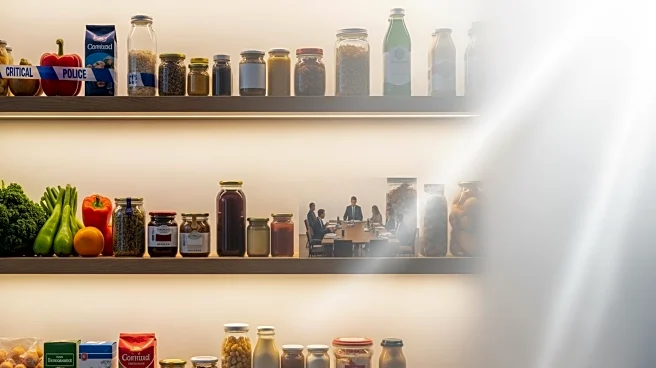
A new report by DHL Supply Chain and Retail Economics reveals that product availability has become a primary driver of customer loyalty in the UK grocery sector. The 'Availability Effect' report highlights that one in five grocery trips involves at least
one missing item, leading to approximately £2.1 billion in displaced sales annually. The study, based on in-store audits and a survey of 2,000 households, indicates that 44% of consumers have switched or added a supermarket due to availability issues, with the figure rising to nearly two-thirds among those under 45. Convenience stores, which account for about 20% of grocery sales, face significant challenges, representing nearly half of all displaced spending caused by stock-outs.
Why It's Important?
The report underscores a shift in consumer priorities, where availability now outweighs price for many shoppers. This change highlights the critical role of supply chain efficiency and inventory management in maintaining customer loyalty. Retailers that fail to address stock gaps risk losing sales and consumer trust. The findings suggest that even small stock gaps can significantly impact consumer perceptions, emphasizing the need for precision in predicting disruptions and integrating data to maintain a competitive edge. This shift could lead to increased investments in supply chain technologies and strategies to enhance product availability.
What's Next?
Retailers are likely to focus on improving their supply chain operations to address the challenges highlighted in the report. This may involve adopting advanced technologies for better inventory management and forecasting to minimize stock-outs. Additionally, retailers might explore partnerships with supply chain experts to enhance their operational efficiency. As consumer expectations continue to evolve, retailers that successfully adapt to these changes by ensuring product availability are expected to gain a competitive edge and strengthen customer loyalty.