

What's Happening?
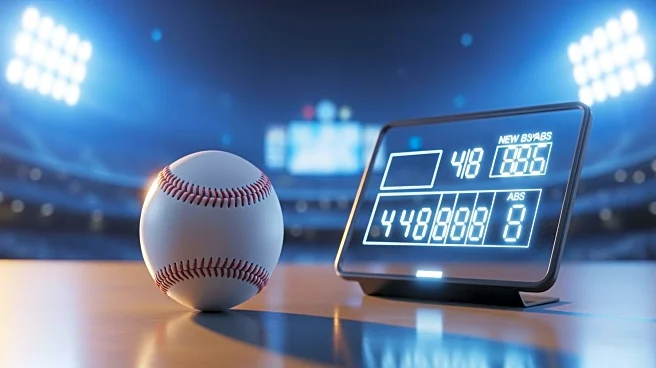
Major League Baseball (MLB) has introduced the Automated Ball-Strike (ABS) Challenge System for its first full season in the major leagues. This system, previously tested in the minor leagues and during the 2025 MLB All-Star Game, allows teams two challenges
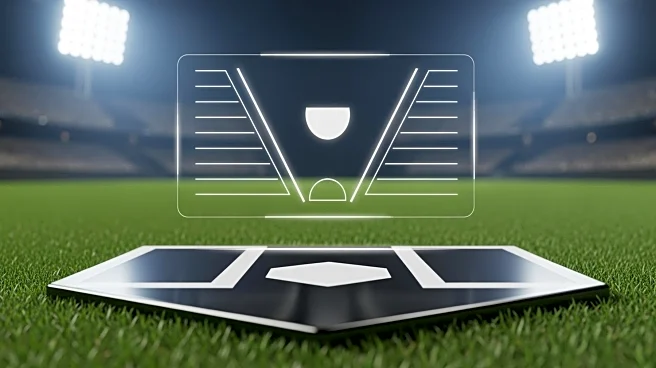
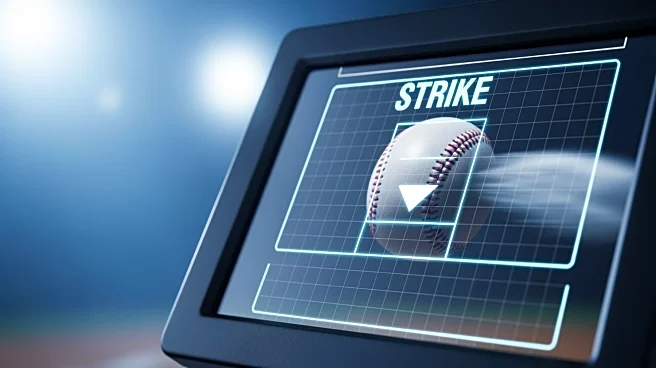
per game to contest ball or strike calls. The challenge can be initiated by the pitcher, catcher, or hitter immediately after a pitch. A graphic display on the scoreboard shows the pitch's position relative to the strike zone to determine the call's accuracy. If a challenge is successful, the team retains it. In extra innings, teams receive an additional challenge if they have exhausted their initial ones. Former MLB pitcher Dontrelle Willis expressed his approval of the system, highlighting its speed and strategic use by managers. He noted that the responsibility of challenging calls is placed on the catcher or hitter, rather than the pitcher, due to their better depth perception.
Why It's Important?
The introduction of the ABS Challenge System represents a significant shift in how baseball games are officiated, potentially increasing the accuracy of calls and enhancing the viewing experience for fans. By involving technology, MLB aims to reduce human error in umpiring, which has been a longstanding issue in the sport. This system could lead to more strategic gameplay, as teams must decide when to use their limited challenges. The success rates of challenges—64.1% for catchers, 42.3% for hitters, and 40.0% for pitchers—indicate varying levels of effectiveness, which could influence team strategies. The system's implementation may also set a precedent for other sports considering similar technological integrations.
What's Next?
As the MLB season progresses, teams will likely refine their strategies for using the ABS Challenge System. Observing how different teams adapt to this new element could provide insights into its long-term viability and impact on the game. Additionally, MLB may consider adjustments to the system based on feedback from players, managers, and fans. The league will monitor the system's effectiveness and its reception, potentially influencing future decisions on expanding or modifying its use.