






What's Happening?
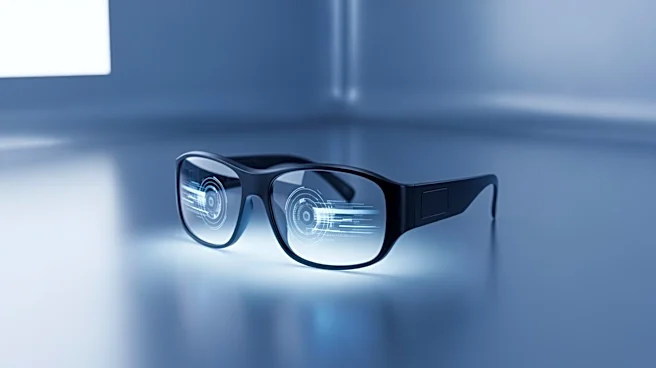
In 2026, augmented reality (AR) is set to redefine live events, with significant developments in technology and user engagement. Atlanta Stadium will introduce a Cosm Atlanta augmented-reality experience during the 2026 World Cup, integrating digital
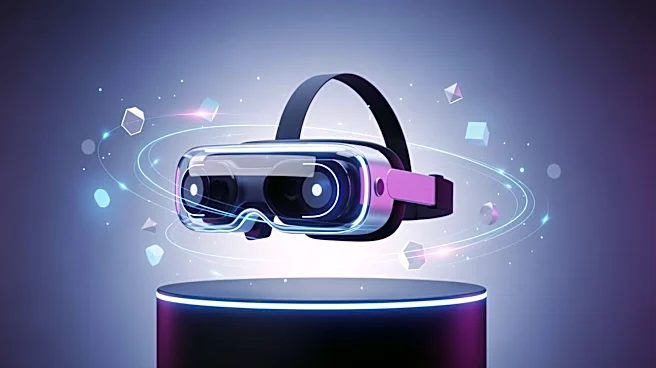
overlays with live play to enhance fan interaction. This marks a shift from AR being a novelty to becoming a standard feature in venues. The Apple Vision Pro, a premium AR headset, continues to influence developer priorities despite its high cost, pushing innovation in AR interfaces. Additionally, AI-driven developer tools are making AR experiences more accessible and scalable, allowing smaller teams to create compelling venue experiences. Venues are now treating AR as a ticketed experience, embedding it into hospitality, concerts, and fan zones, thus creating new revenue streams.
Why It's Important?
The integration of AR into live events represents a significant shift in how audiences engage with entertainment and sports. By offering enhanced, interactive experiences, venues can attract more visitors and increase revenue through ticketed AR features. This trend also highlights the growing importance of technology in the entertainment industry, as AR becomes a tool for differentiation and value addition. The high cost of devices like the Apple Vision Pro may limit mass adoption, but it sets a benchmark for future innovations. As AR becomes more mainstream, it could lead to broader changes in consumer expectations and the way events are marketed and experienced.
What's Next?
As AR becomes more integrated into live events, venues and developers will likely continue to explore new ways to enhance user experiences. This could include more personalized AR interactions, expanded use in different types of events, and further integration with other technologies like AI. Stakeholders in the entertainment and sports industries may need to adapt their strategies to incorporate AR, potentially leading to new business models and partnerships. The success of AR in live events could also influence other sectors, encouraging wider adoption of immersive technologies.