



What's Happening?
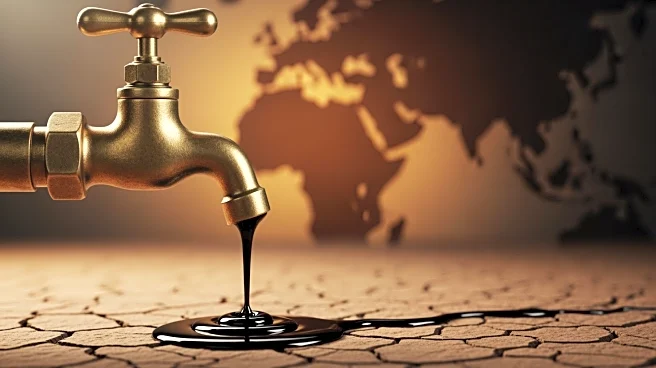
U.S. consumers are experiencing the effects of soaring oil prices, which have surged over 40% following the closure of the Strait of Hormuz due to the conflict involving Iran. This critical waterway in the Persian Gulf is essential for global oil and
natural gas supply, and its closure has significantly impacted the U.S. supply chain. Rising fuel and energy prices are increasing the cost of transporting goods, affecting both in-store and online shopping. According to Diane Swonk, chief economist at KPMG, these increased costs are being partially passed on to consumers, while also squeezing profit margins and affecting employment. The price of Brent crude oil has risen to $108.84 per barrel, up from around $70 before the conflict began. As a result, the average U.S. gas price has increased to $3.92 per gallon, a significant rise from previous weeks.
Why It's Important?
The increase in oil prices has broad implications for the U.S. economy, affecting consumer spending and inflation. Higher transportation costs are likely to lead to increased prices for goods, impacting consumer purchasing power. Retailers, especially those dealing in lower-value items, may struggle with reduced margins and may need to raise prices, affecting affordability for consumers. The situation also poses challenges for businesses like grocery chains, which face pressure from suppliers to cover rising fuel costs. This economic strain could lead to higher inflation rates, as noted by Bernard Yaros of Oxford Economics, potentially affecting food prices and other essential goods. The overall economic impact could lead to reduced consumer confidence and spending, further affecting economic growth.
What's Next?
Retailers may respond to rising shipping costs by increasing purchase minimums for free shipping, potentially altering consumer behavior. Businesses will need to navigate these challenges by balancing cost absorption and price adjustments. The ongoing conflict and its impact on oil prices will continue to be a critical factor in economic forecasts, with potential policy responses from government and industry stakeholders. Monitoring the situation in the Persian Gulf and its geopolitical implications will be essential for anticipating further economic impacts.