

What's Happening?
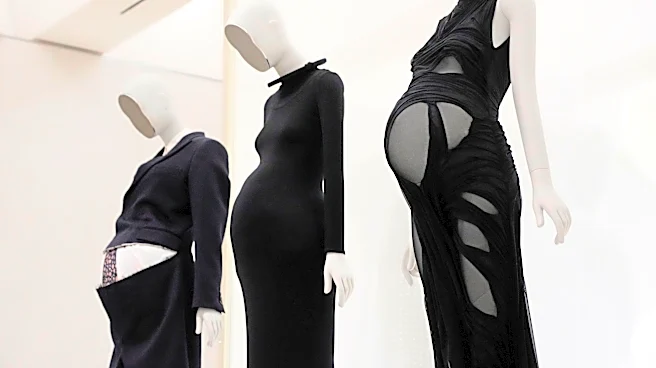
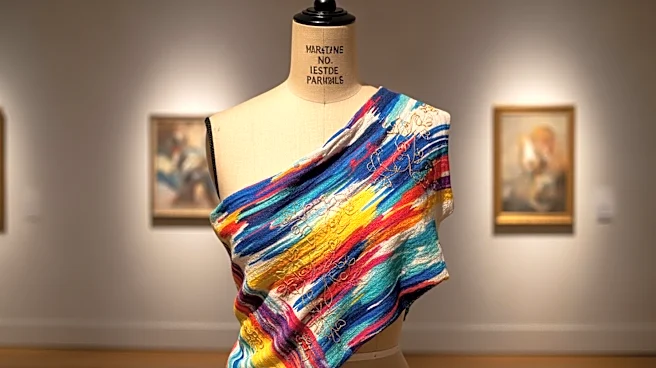
The Metropolitan Museum of Art's new exhibition, 'Costume Art,' explores the intersection of fashion and art through a display of mannequins representing diverse body types. Curated by Andrew Bolton, the exhibition emphasizes the human form as a central
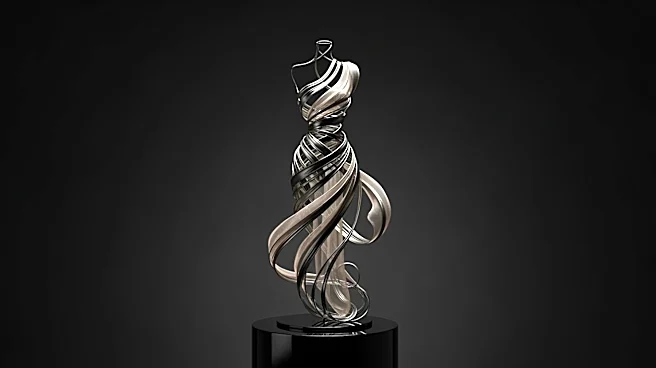
theme, encouraging visitors to reflect on their own experiences. The exhibition features mannequins with reflective surfaces, designed by sculptor Samar Hejazi, to engage viewers in a personal and empathetic exploration of fashion. This approach challenges traditional beauty standards and highlights the evolving relationship between fashion and art in contemporary culture.
Why It's Important?
The 'Costume Art' exhibition at the Met signifies a shift in how fashion is perceived within the art world. By focusing on diverse body types and interactive elements, the exhibition challenges conventional beauty standards and promotes inclusivity. This approach reflects broader societal changes towards acceptance and diversity. The exhibition also underscores the growing integration of fashion into cultural and artistic discourse, highlighting its significance beyond mere aesthetics. As fashion becomes more intertwined with art, it gains recognition as a legitimate form of cultural expression, influencing both public perception and industry practices.
What's Next?
The exhibition is expected to attract significant attention, potentially influencing future museum displays and fashion exhibitions. The Met's approach may inspire other institutions to adopt similar inclusive and interactive elements in their exhibitions. Additionally, the focus on diverse body types could impact the fashion industry, encouraging designers to create garments that cater to a wider range of body shapes. The exhibition's success may also lead to increased collaboration between fashion and art, further blurring the lines between these two fields.