
What's Happening?
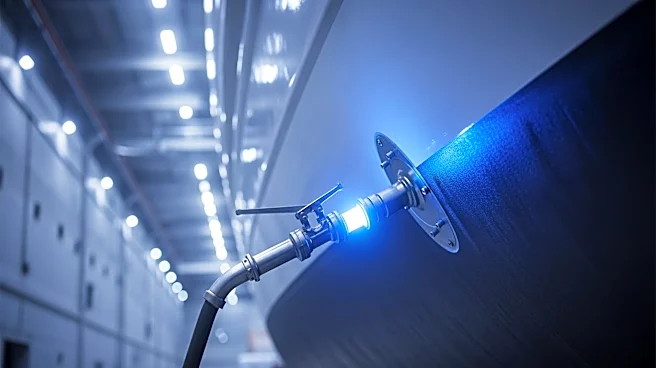
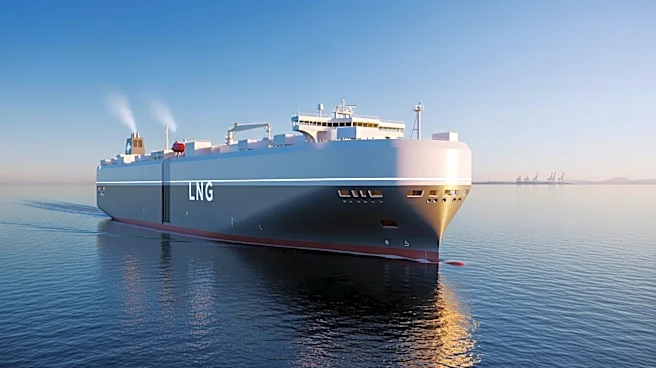
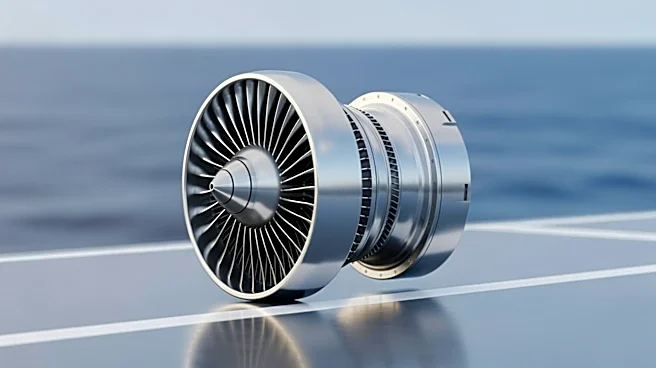
Baker Hughes has received Type Approval certification from RINA for its NovaLT16 gas turbine technology, which is designed to operate on natural gas and up to 100% hydrogen for marine propulsion applications.
This certification was announced during the Posidonia 2026 event in Athens, Greece. The NovaLT16 gas turbine, originally developed for industrial power generation, is now validated for maritime use, meeting specific requirements for onboard installation and operation. The technology offers high efficiency and operational flexibility, operating in the 12-17 megawatt range in simple cycle and up to 22 megawatts in combined cycle applications. This development is part of a broader effort to decarbonize the maritime sector by supporting new propulsion architectures, including electric and hybrid systems.
Why It's Important?
The certification of the NovaLT16 gas turbine marks a significant step in the maritime industry's transition to alternative fuels. As the sector seeks to reduce CO2 emissions, the ability to use hydrogen and other low-carbon fuels is crucial. The NovaLT16's flexibility to operate on multiple fuels positions it as a key enabler for long-term maritime decarbonization. This development aligns with evolving regulatory frameworks that demand cleaner and more sustainable maritime operations. The collaboration between Baker Hughes and RINA highlights the importance of early engagement between technology developers and classification societies to ensure innovations meet safety, performance, and regulatory expectations.
What's Next?
With the certification in place, Baker Hughes and RINA will likely continue to explore further applications of the NovaLT16 technology in the maritime sector. Shipowners may begin integrating this technology into their fleets to comply with stricter environmental regulations. The success of this initiative could encourage other energy technology companies to develop similar solutions, accelerating the maritime industry's shift towards sustainable energy sources. Additionally, ongoing research and development efforts may focus on enhancing the turbine's capabilities and expanding its use in other sectors.