






What's Happening?
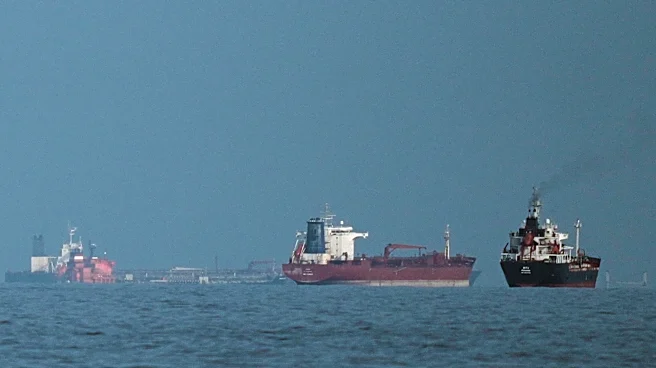
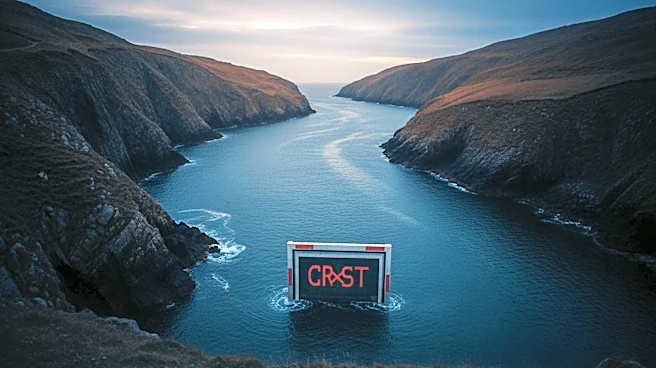
Ken Griffin, CEO of Citadel, highlighted the resilience of the Iranian people during the ongoing geopolitical tensions involving the US and Israel. Speaking at Semafor's World Economic Forum, Griffin noted that the closure of the Strait of Hormuz, a critical
passage for global oil and gas, poses significant economic challenges. He warned that a prolonged closure could lead to a global recession, affecting countries worldwide, particularly in Asia and Europe. Griffin praised President Trump's administration for its efforts towards a nuclear-free Iran but emphasized the need for a united front with European allies.
Why It's Important?
Griffin's comments underscore the potential economic fallout from geopolitical conflicts, particularly in regions critical to global energy supply. The closure of the Strait of Hormuz could lead to energy price shocks, impacting inflation and economic stability worldwide. This situation highlights the interconnectedness of global markets and the importance of strategic alliances in addressing international crises. Griffin's insights are crucial for investors, policymakers, and economic stakeholders as they navigate the complexities of market volatility and geopolitical risks.
What's Next?
The closure of the Strait of Hormuz will likely prompt countries to accelerate the adoption of alternative fuel sources to mitigate dependency on oil and gas. Central banks worldwide may face pressure to adjust interest rates in response to inflationary pressures. The US, with its energy production capabilities, may be somewhat insulated, but global economic dynamics will require careful monitoring and strategic planning. Griffin's remarks suggest that the US must strengthen alliances to effectively address the geopolitical challenges and ensure economic stability.