


What's Happening?
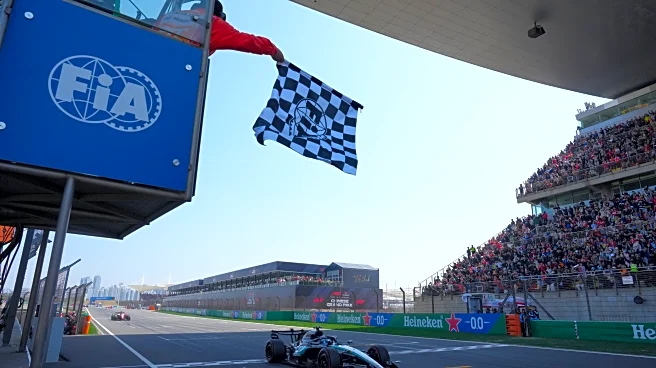
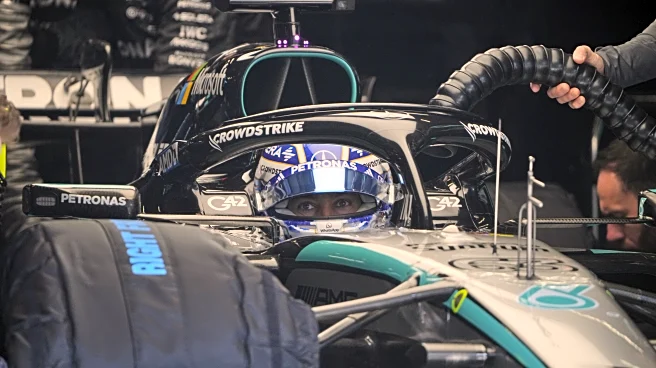
The 2026 Formula 1 season commenced in Australia with George Russell securing a victory for Mercedes. This season introduces new regulations concerning engines, chassis, tyres, and fuel, promising unpredictable races. The schedule originally included
24 races, but the Bahrain and Saudi Arabia Grands Prix were cancelled due to conflict in the Middle East. The season now features 22 races, with notable changes such as the relocation of the Spanish Grand Prix to a new Madrid street circuit. The season will conclude in Abu Dhabi, maintaining its traditional finale spot.
Why It's Important?
The introduction of new regulations in the 2026 F1 season could significantly impact team strategies and race outcomes, potentially altering the competitive landscape. The cancellation of races in Bahrain and Saudi Arabia due to geopolitical tensions highlights the vulnerability of international sports events to global conflicts. These changes may affect the financial and logistical planning of teams and organizers. The season's developments are crucial for stakeholders, including sponsors, broadcasters, and fans, as they navigate the evolving dynamics of the sport.
What's Next?
As the season progresses, teams will need to adapt to the new regulations and the altered race calendar. The performance of teams like McLaren, Red Bull, and Mercedes will be closely watched, especially with the introduction of new drivers and team lineups. The impact of the cancelled races on the championship standings and team strategies will be a key focus. Additionally, the geopolitical situation in the Middle East may influence future scheduling and planning for international sporting events.