





What's Happening?
Director Steven Soderbergh has announced plans to incorporate extensive use of artificial intelligence (AI) in his upcoming film about the Spanish-American War. The film, which features Wagner Moura, aims to tell a compelling story that Soderbergh believes
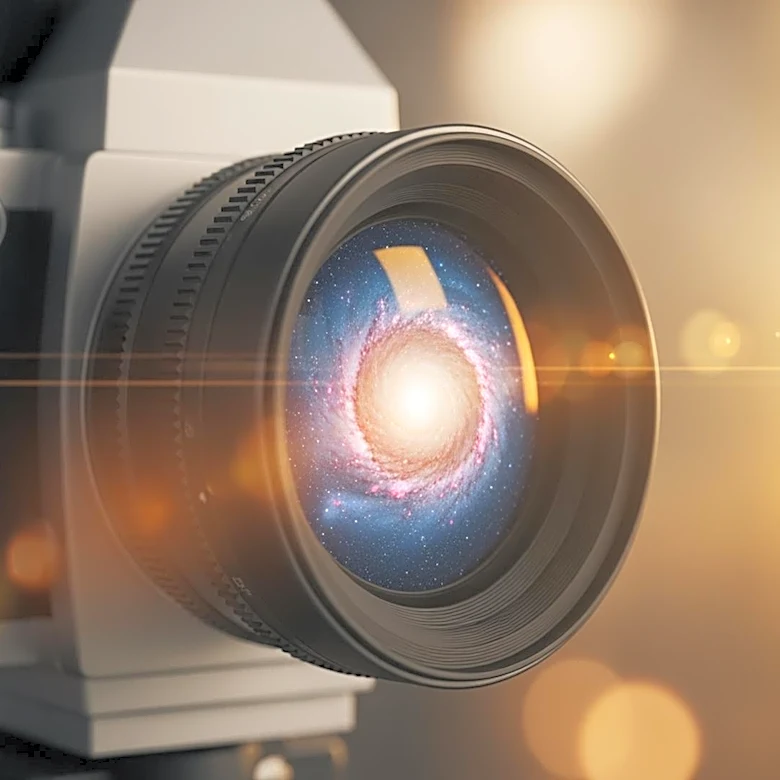
has not been adequately explored in cinema. He is currently in the process of casting and securing studio backing, with two studios reportedly interested. Soderbergh is also working on a documentary about John Lennon and Yoko Ono, where he has been experimenting with AI to create surreal thematic images. This approach highlights the director's interest in using technology to enhance storytelling.
Why It's Important?
Soderbergh's decision to use AI in filmmaking underscores a growing trend in Hollywood where technology is increasingly integrated into creative processes. This move could set a precedent for future productions, influencing how films are made and experienced. The use of AI can potentially reduce production costs and open new avenues for visual storytelling. However, it also raises questions about the role of human creativity and the ethical implications of AI in the arts. As AI becomes more prevalent, industry stakeholders, including actors and filmmakers, will need to navigate these challenges.
Beyond the Headlines
The integration of AI in filmmaking could lead to broader discussions about intellectual property rights, as AI-generated content blurs the lines of authorship. Additionally, the use of AI in creative industries may prompt regulatory scrutiny and calls for updated legal frameworks to address these new realities. The film industry may also see shifts in job roles, with increased demand for tech-savvy professionals who can manage and implement AI technologies effectively.