


What's Happening?
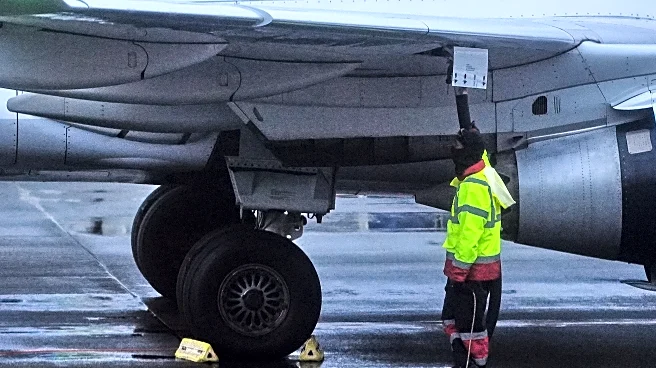
Jet fuel prices are on the rise due to disruptions in global oil supplies caused by the ongoing conflict in the Middle East. This increase is expected to lead to higher airfares, particularly affecting long-haul international routes that consume more
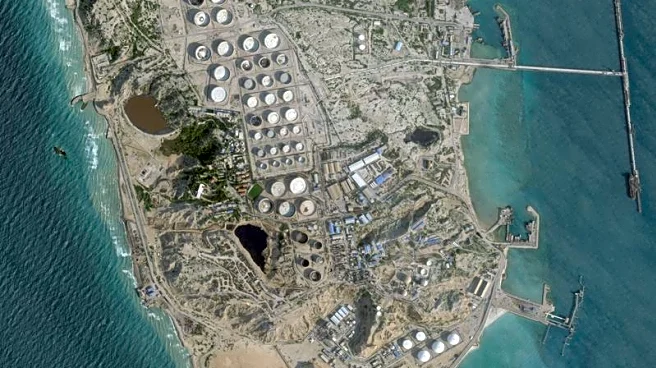
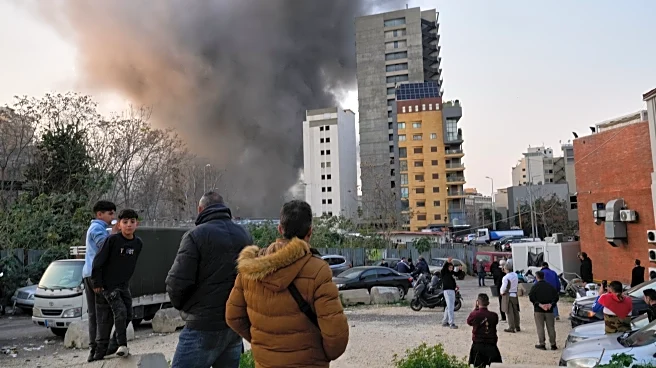
fuel. Airlines outside the U.S. have already begun implementing fare increases or fuel surcharges to offset these costs. In the U.S., United Airlines CEO Scott Kirby has indicated that airfare hikes are imminent as the industry grapples with escalating fuel expenses. The conflict has led to attacks on commercial ships and oil infrastructure in the Persian Gulf, significantly impacting oil exports and causing a spike in crude oil prices. The average price of jet fuel in the U.S. has surged to $3.99 per gallon, up from $2.50 before the conflict began.
Why It's Important?
The rise in jet fuel prices poses a significant challenge for airlines, as fuel typically accounts for 20% to 25% of their operating costs. This increase could lead to higher ticket prices for consumers, affecting travel plans and potentially reducing demand. Airlines may also adjust their schedules or reduce routes to manage costs. The situation highlights the vulnerability of the airline industry to geopolitical events and the importance of fuel hedging strategies. For travelers, the cost of flying could increase not only through higher base fares but also through additional fees for premium services. This development underscores the broader economic impact of geopolitical tensions on global industries and consumer behavior.
What's Next?
If high fuel prices persist, more airlines, especially those without fuel hedging, may follow suit in raising fares. Travelers are advised to book flights early to lock in current prices and consider using frequent flyer miles or credit card points to mitigate costs. Airlines may continue to adjust their operations, including potential route reductions, to cope with the increased expenses. The situation remains fluid, with the potential for further disruptions depending on the geopolitical landscape.