

What's Happening?
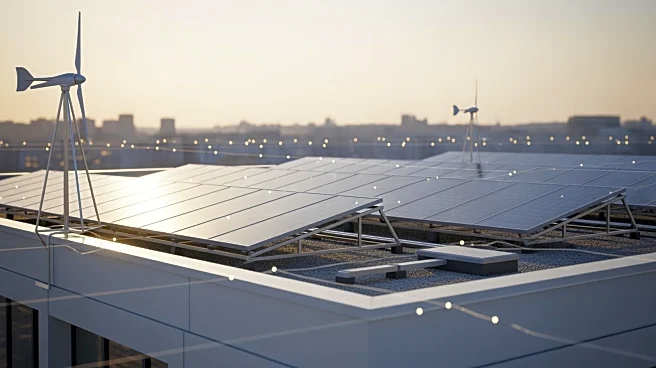
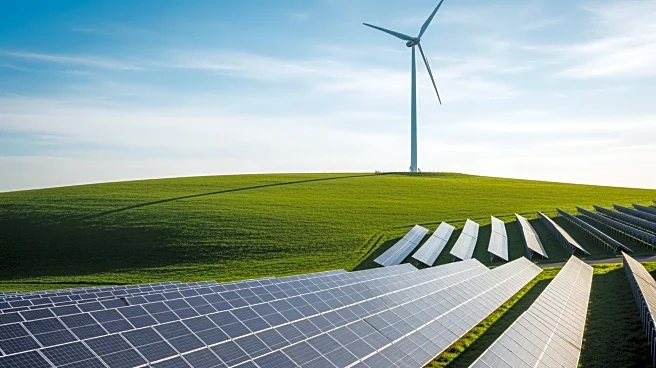
As energy grids evolve, real-time modelling is becoming crucial for creating a resilient, bi-directional energy future. Traditional power systems, designed for one-way energy flow, are being disrupted by the integration of distributed energy resources
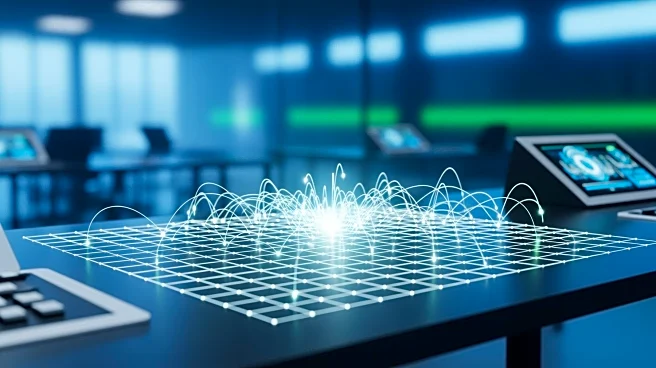
(DERs) like solar and wind. These changes require grids to handle bi-directional energy flows, which can introduce volatility and instability. Real-time grid modelling allows utilities to manage these dynamic flows, ensuring reliability and stability. This approach is vital for integrating DERs effectively and maintaining a stable energy system.
Why It's Important?
The shift towards bi-directional energy flows and the integration of DERs are critical for decarbonization and energy sustainability. Real-time modelling provides utilities with the tools to predict and manage energy flows, preventing outages and protecting infrastructure. This capability is essential as the energy landscape becomes more complex with the addition of renewable energy sources. By ensuring grid stability, real-time modelling supports the transition to a more sustainable energy future, benefiting both consumers and the environment.
What's Next?
Utilities are expected to continue investing in real-time modelling technologies and integrating digital twin technology, DERMS, and GIS to enhance grid reliability. These advancements will enable more informed decision-making and predictive grid behavior. As the energy sector evolves, ongoing innovation and adaptation will be necessary to address the challenges of integrating renewable energy sources and maintaining grid stability.