




What's Happening?
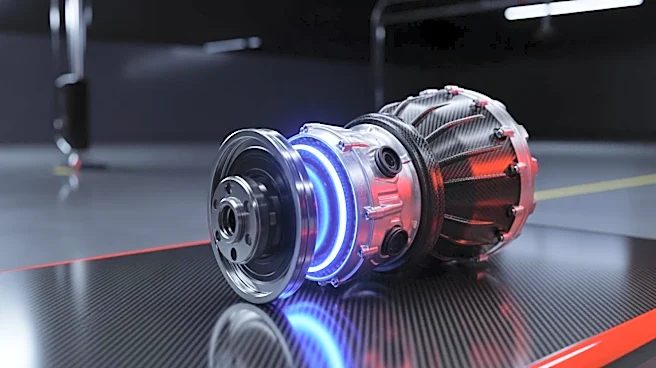
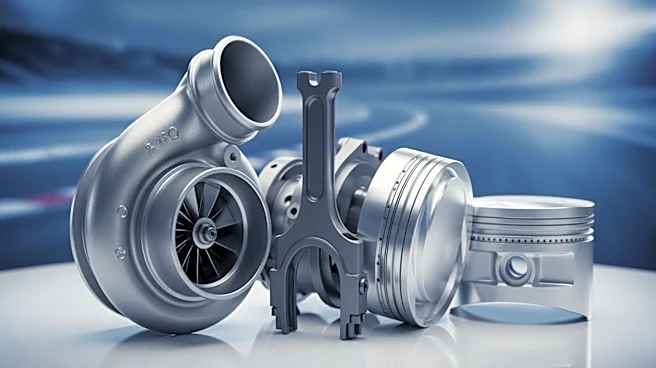
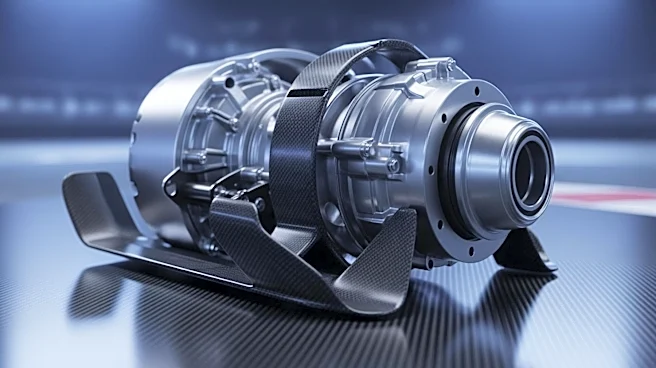
Formula 1 has announced a significant change to its engine regulations for the 2027 season, moving away from the current 50/50 power split between internal combustion engines (ICE) and electrical power. The decision, agreed upon by F1 bosses and teams,
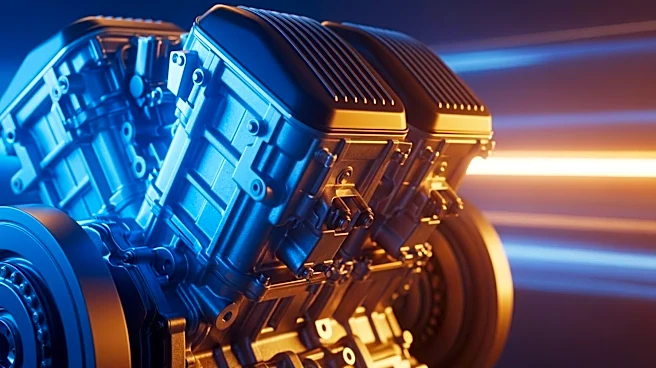
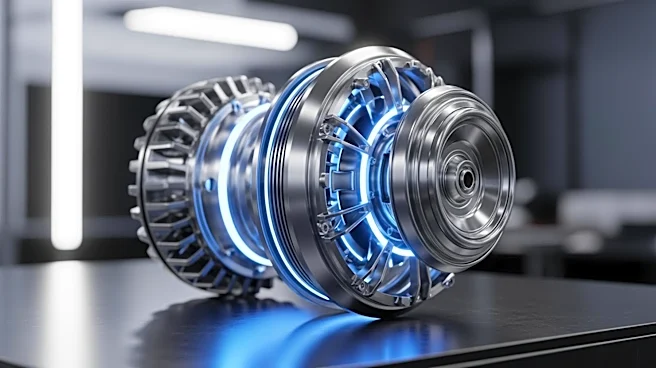
aims to address driver concerns about the current engine setup, which has been criticized for requiring excessive battery power and reducing the focus on driving skill. The new regulations will increase the ICE power by approximately 50kW while reducing the electrical power by the same amount, resulting in a 60/40 split favoring combustion engines. This change is intended to make the sport more intuitive and competitive, aligning with the long-term goal of maintaining road relevance while enhancing the racing experience.
Why It's Important?
The shift in engine regulations is crucial for the future of Formula 1 as it seeks to balance technological innovation with the traditional appeal of racing. By increasing the emphasis on internal combustion engines, the sport aims to enhance the driving experience and address criticisms from drivers who have likened the current setup to 'anti-racing.' This move could potentially attract more fans who prefer the traditional racing dynamics and improve the overall competitiveness of the sport. Additionally, the changes reflect a broader industry trend towards integrating sustainable practices while maintaining performance, which could influence other motorsport categories and automotive industries.
What's Next?
The proposed changes will undergo further discussions among technical groups comprising teams and power unit manufacturers before being finalized. Once agreed upon, the new regulations will be submitted to the World Motorsport Council for ratification, a process expected to be a formality. The changes are set to be implemented in 2027, allowing manufacturers ample time to adjust their engine designs. Meanwhile, F1 will continue to evaluate the impact of recent tweaks introduced during the Miami Grand Prix, with potential further adjustments to improve safety and performance under various conditions.