
What's Happening?
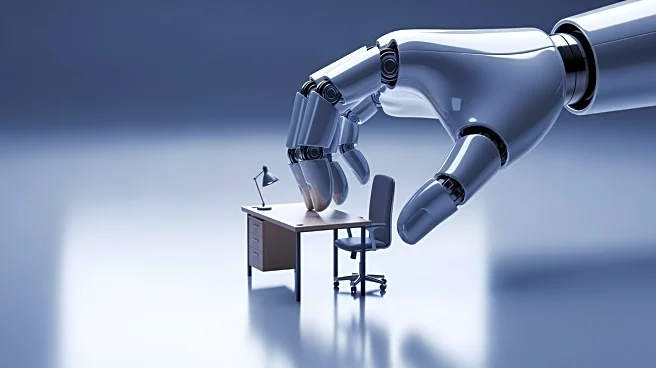
The widespread adoption of Artificial Intelligence (AI) is raising concerns about its impact on employment, particularly for entry-level positions. According to the governor of the Bank of England, AI is likely
to displace jobs in a manner similar to the Industrial Revolution. The technology, which allows computers to process large amounts of data and identify patterns, is increasingly being adopted by businesses and the public sector. This shift is expected to affect entry-level professional jobs, especially in sectors like law, accountancy, and administration. Some firms have already indicated that the growth of AI may lead to fewer junior staff being hired, particularly graduates. Official figures have shown a rise in unemployment rates, with younger workers being particularly affected. The number of unemployed 18 to 24-year-olds increased significantly in recent months, highlighting the challenges faced by inexperienced professionals in securing entry-level roles.
Why It's Important?
The potential displacement of jobs due to AI has significant implications for the U.S. economy and workforce. As AI becomes more integrated into business operations, there is a risk that entry-level positions, which are crucial for career development and economic mobility, may diminish. This could lead to a skills gap, where the demand for AI-related skills outpaces the supply of qualified workers. The shift could also exacerbate unemployment rates among younger workers, who are already facing challenges in the job market. Additionally, the reliance on AI could change the nature of work, requiring workers to adapt to new roles that involve working alongside AI technologies. This transition may necessitate changes in education and training programs to equip the workforce with the necessary skills to thrive in an AI-driven economy.
What's Next?
As AI continues to evolve, businesses and policymakers will need to address the potential impacts on employment. This may involve developing strategies to support workers in transitioning to new roles that leverage AI technologies. Education and training programs may need to be updated to focus on skills that are in demand in an AI-driven economy. Additionally, there may be a need for policies that support job creation in sectors that are less susceptible to automation. The ongoing dialogue about AI's impact on employment will likely influence future labor market policies and economic strategies.
Beyond the Headlines
The integration of AI into the workforce raises ethical and cultural questions about the future of work. There is a need to consider how AI can be used responsibly to enhance productivity without disproportionately affecting certain groups of workers. The potential for AI to create new job opportunities must be balanced with the risk of job displacement. As AI technologies become more prevalent, there may also be a shift in societal attitudes towards work and the role of technology in everyday life. These broader implications highlight the importance of a thoughtful approach to AI adoption that considers both economic and social factors.