
What's Happening?
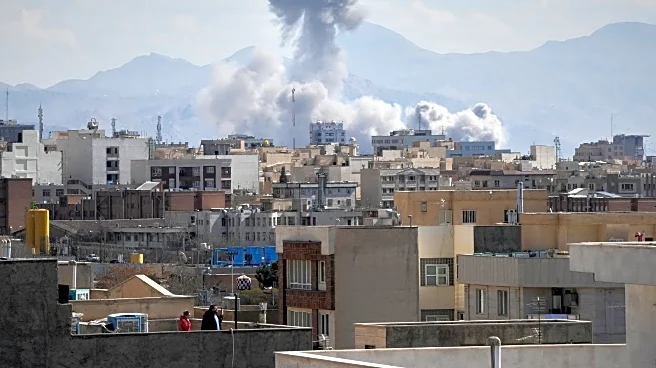
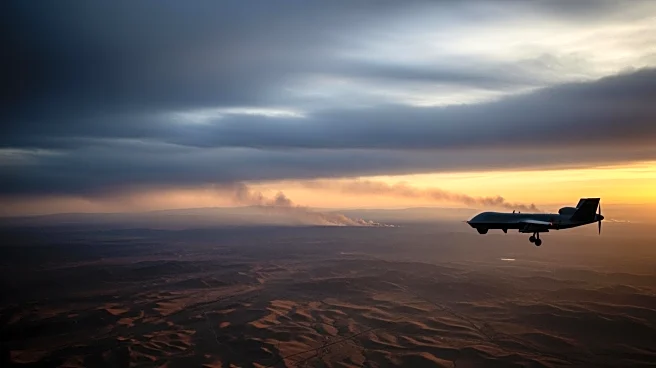
The head of Iran's soccer federation has expressed uncertainty about the national team's participation in the 2026 World Cup following recent US-Israeli military strikes on Iran. The strikes, which have continued for a second day, were prompted by the killing
of Iranian Supreme Leader Ayatollah Ali Khamenei, leading to increased regional instability. Iran is scheduled to play in Group G, with matches in Los Angeles and Seattle against teams like New Zealand and Belgium. However, the ongoing conflict and political tensions have cast doubt on Iran's ability to participate in the tournament.
Why It's Important?
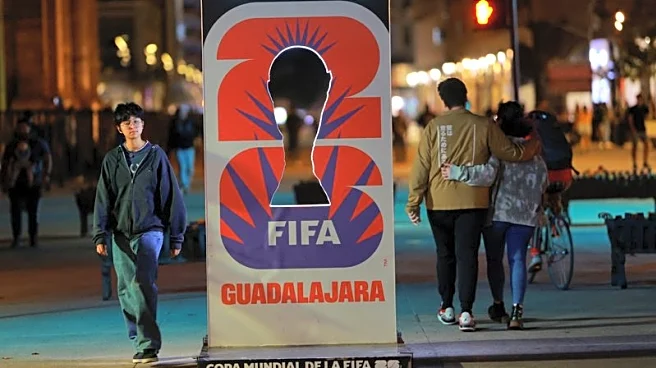
Iran's potential withdrawal from the World Cup could have significant implications for the tournament and international relations. The World Cup, co-hosted by the USA, Canada, and Mexico, is a major global sporting event that promotes international cooperation and cultural exchange. Iran's absence would not only affect the competitive balance of the tournament but also highlight the geopolitical tensions impacting international sports. The situation underscores the complex interplay between politics and sports, where diplomatic conflicts can influence participation and fan engagement.
What's Next?
The situation remains fluid, with potential diplomatic efforts to resolve tensions and ensure Iran's participation in the World Cup. FIFA, the governing body of international soccer, may need to address the geopolitical challenges and work with involved nations to facilitate a peaceful resolution. The outcome could set a precedent for how international sports organizations handle conflicts affecting major events. Additionally, the response from the international community and soccer fans will be crucial in shaping the narrative around this issue.