
What's Happening?
New York Fed President John Williams expressed concerns about the economic impact of the ongoing conflict in the Middle East, particularly the war involving Iran. In a recent speech, Williams highlighted
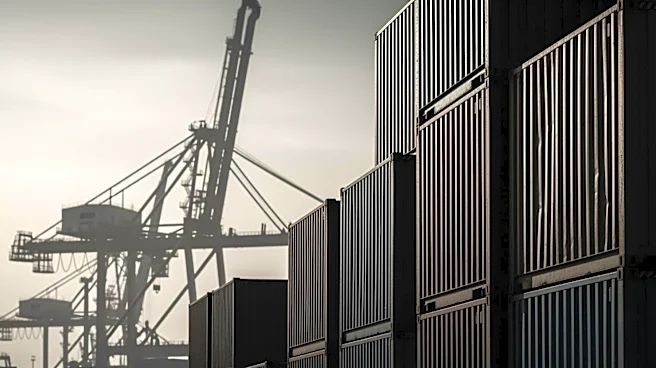
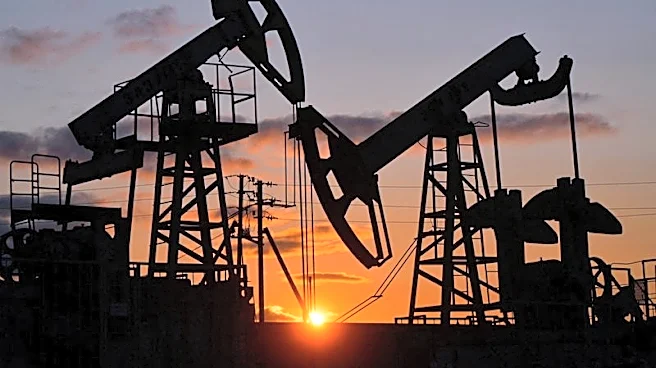
that the conflict is already contributing to rising inflation and slowing economic growth. He noted that the uncertainty surrounding the situation is affecting both national and local economic conditions. Williams emphasized that while he expects growth to continue and inflation to ease over the year, the conflict poses significant risks to the Federal Reserve's dual mandate of stable prices and low unemployment. The war has intensified uncertainty, leading to potential supply chain disruptions and increased commodity prices.
Why It's Important?
The comments from New York Fed President Williams underscore the broader economic implications of geopolitical conflicts. The Middle East war is not only a humanitarian crisis but also a significant economic concern, as it affects global supply chains and commodity prices. Rising inflation and slowed growth could challenge the Federal Reserve's efforts to maintain economic stability. The situation highlights the interconnectedness of global events and their impact on domestic economic policies. Businesses and policymakers must navigate these uncertainties carefully to mitigate potential negative effects on the U.S. economy.
What's Next?
The Federal Reserve will likely continue to monitor the situation closely, adjusting monetary policy as needed to address inflationary pressures and support economic growth. A swift resolution to the conflict could help stabilize energy prices and reduce inflationary pressures. However, prolonged conflict may necessitate further policy adjustments to counteract economic disruptions. Businesses may need to adapt to changing conditions, focusing on supply chain resilience and cost management strategies.