

What's Happening?
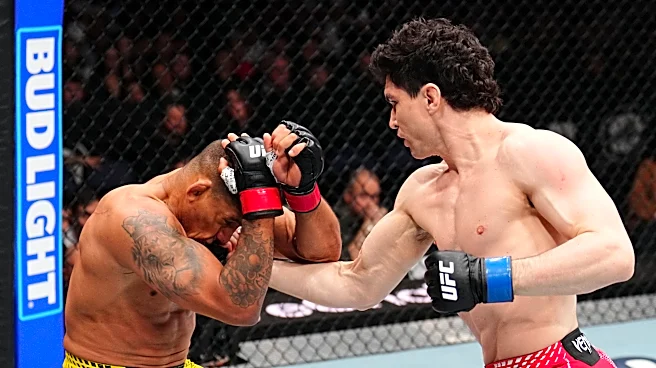
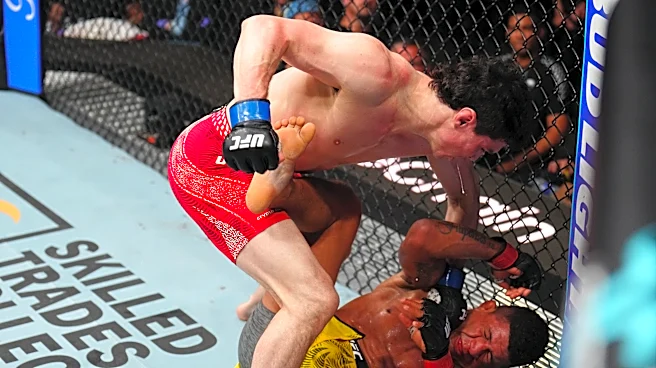
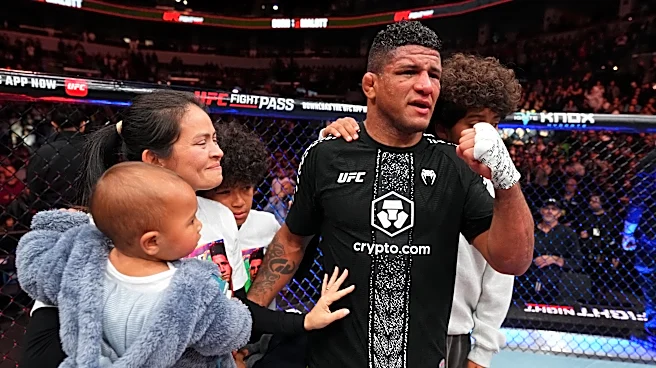
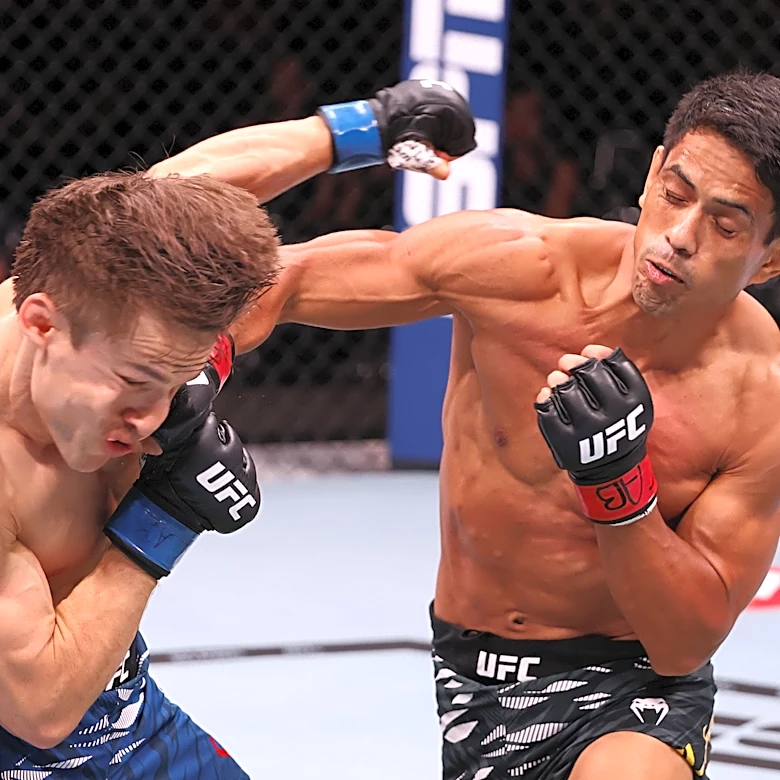
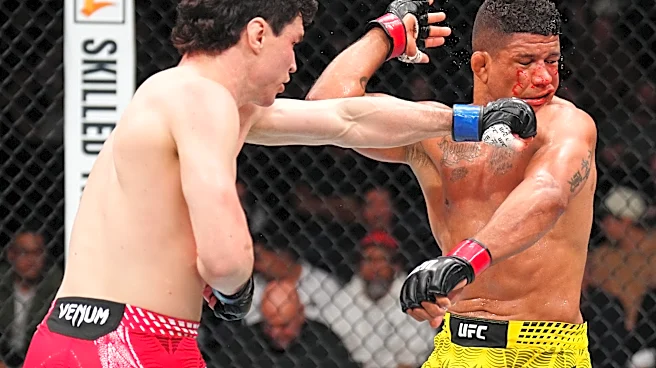
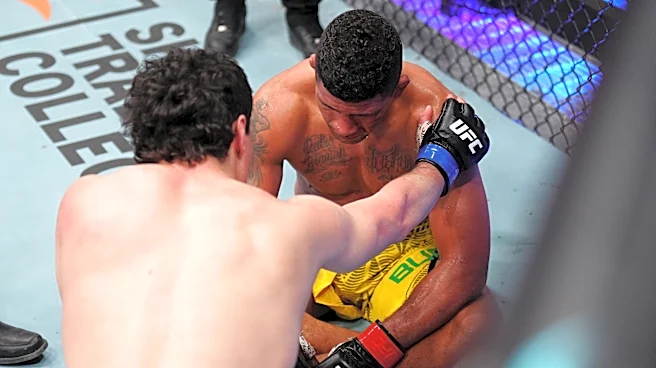
Gilbert Burns, a veteran welterweight contender in the UFC, announced his retirement after suffering a knockout loss to Mike Malott at UFC Winnipeg. Burns, who had been on a four-fight losing streak, entered the fight with high hopes of a comeback. Despite
his confidence and rigorous training, he was defeated in the third round. Following the match, Burns laid down his gloves, signaling the end of his career. Throughout his time in the UFC, Burns was known for his willingness to face any opponent, including high-profile fights against Kamaru Usman and Khamzat Chimaev. His career was marked by a commitment to the sport, having transitioned from a successful jiu-jitsu career to mixed martial arts. Burns expressed no regrets about his career, highlighting the financial stability and personal fulfillment he gained from the sport.
Why It's Important?
Burns' retirement marks the end of a significant chapter in the UFC welterweight division. His decision underscores the physical and mental demands of professional fighting, as well as the personal introspection athletes face when considering retirement. Burns' career has been influential, not only for his achievements but also for his approach to competition, taking on challenging opponents without hesitation. His departure may impact the dynamics of the welterweight rankings and open opportunities for emerging fighters like Mike Malott. Additionally, Burns' transition to MMA management and plans to open a school in Florida suggest a continued influence on the sport, potentially shaping future fighters with his experience and philosophy.
What's Next?
Following his retirement, Gilbert Burns plans to focus on MMA management and open a martial arts school in South Florida. These ventures will allow him to impart his knowledge and experience to the next generation of fighters. The UFC welterweight division will continue to evolve, with fighters like Mike Malott potentially rising in prominence. Burns' retirement may also prompt discussions about the longevity and career transitions of fighters in the sport, highlighting the importance of planning for life after active competition.