
What's Happening?
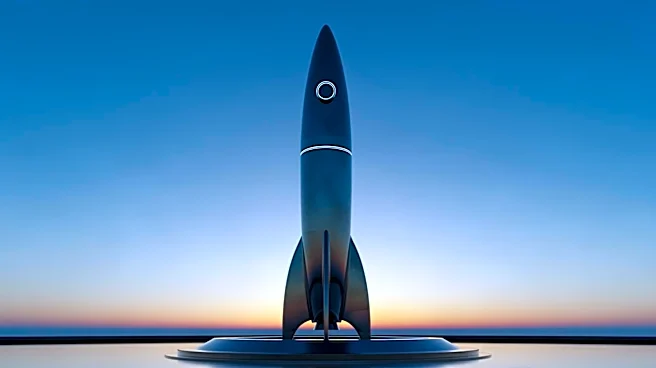
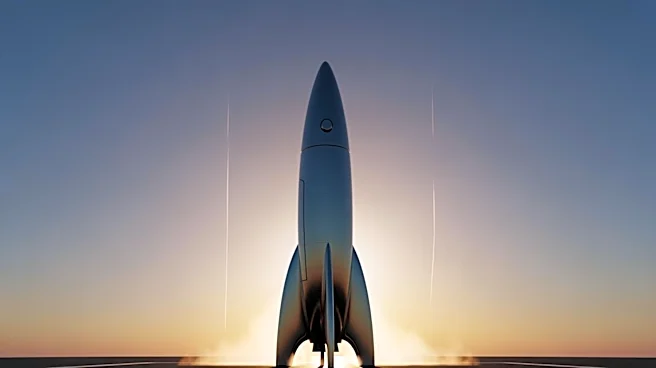
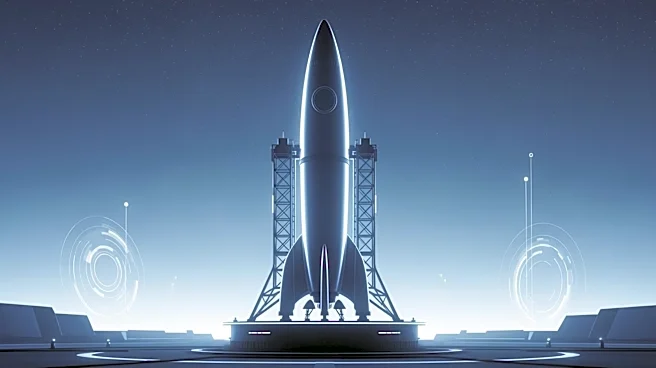
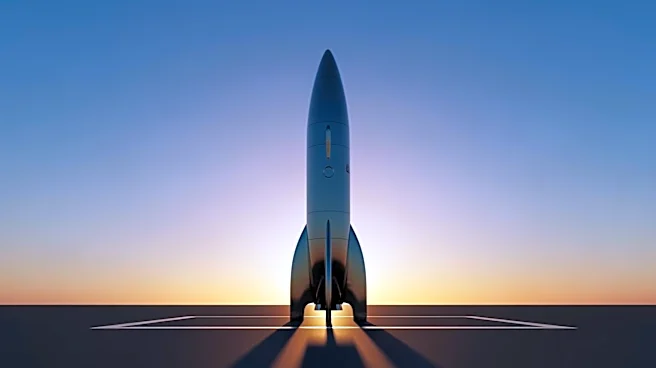
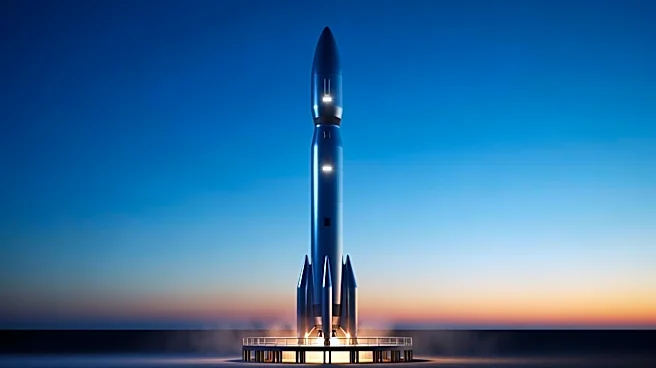
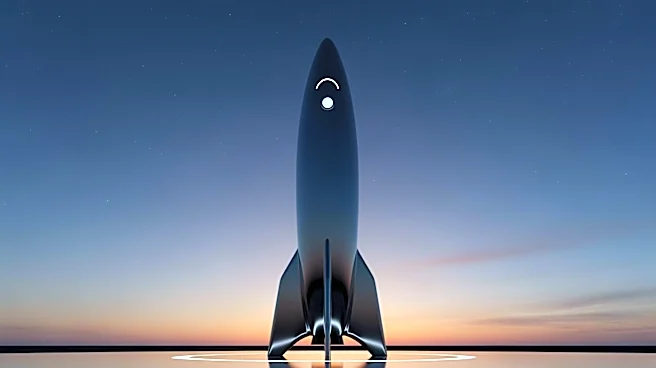
SpaceX has officially announced the launch window for its Starship V3, the latest and most powerful version of its spacecraft, targeting late 2026 for its maiden flight. This version of the Starship is designed
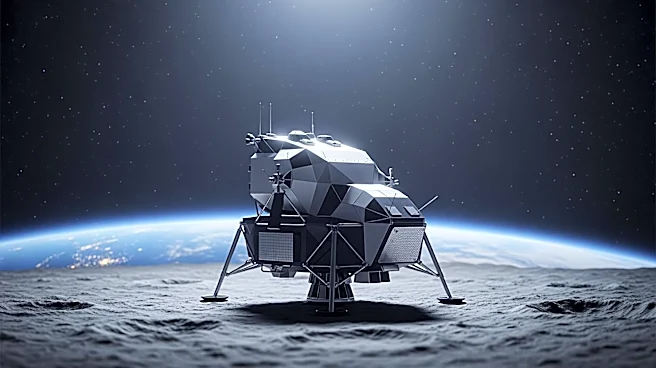
to carry larger payloads, travel further into deep space, and support missions to the Moon and Mars. The Starship V3 features improved Raptor engines, larger fuel capacity, enhanced heat shield systems, and optimized orbital refueling technologies. It is capable of transporting more than 200 tons into orbit, marking it as one of the most ambitious aerospace vehicles ever developed. NASA is also involved, planning to use modified versions of the Starship for future Artemis lunar missions, including potential crew landings near the Moon’s south pole.
Why It's Important?
The development of Starship V3 is a significant milestone in SpaceX's mission to establish a permanent human presence beyond Earth. This advancement not only represents a leap in aerospace technology but also aligns with Elon Musk's vision of interplanetary colonization. The involvement of NASA underscores the spacecraft's potential role in future lunar missions, which could pave the way for more extensive space exploration and habitation. The success of Starship V3 could accelerate the timeline for human settlement on other planets, transforming science fiction into reality and potentially opening new frontiers for human civilization.
What's Next?
SpaceX plans several orbital test flights before the official launch of Starship V3 in late 2026. These tests will be crucial in addressing any technical challenges and ensuring the spacecraft's readiness for its ambitious missions. The aerospace community and space enthusiasts worldwide will be closely monitoring these developments, as the success of these tests could significantly impact future space exploration strategies. Additionally, regulatory bodies like the FAA will likely continue to scrutinize the project, given its past controversies and environmental concerns.
Beyond the Headlines
The Starship project has faced multiple challenges, including technical setbacks, environmental criticism, and regulatory investigations. Despite these hurdles, SpaceX's rapid progress compared to traditional aerospace companies highlights the disruptive potential of private space ventures. The project also raises ethical and environmental questions about space colonization and its impact on Earth's ecosystems. As SpaceX moves forward, these broader implications will continue to be a topic of discussion among policymakers, environmentalists, and the public.