


What's Happening?
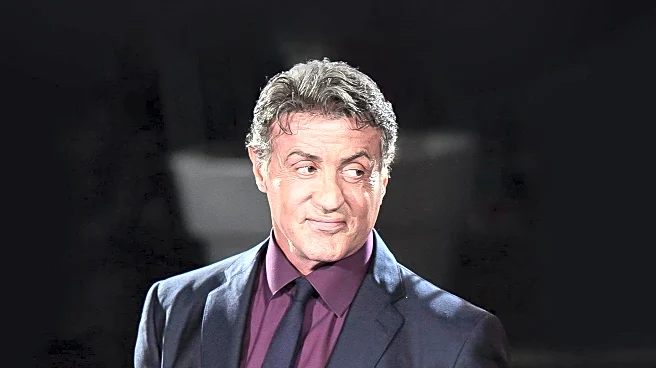
Sylvester Stallone, renowned for his role as Rocky Balboa, continues to maintain a rigorous fitness routine at the age of 79. Despite numerous injuries and surgeries over the years, including five back operations and multiple joint fusions, Stallone has
adapted his workout regimen to focus more on bands and cables rather than traditional weights. This shift is akin to physical therapy, emphasizing joint mobility and flexibility. Stallone's dedication to fitness is not just about physical appearance but also about maintaining mental clarity and confidence. He believes that keeping the body active positively impacts the brain and overall optimism.
Why It's Important?
Stallone's approach to fitness highlights the importance of adapting exercise routines to accommodate aging bodies and past injuries. His story serves as an inspiration for older adults, demonstrating that age and physical setbacks do not have to hinder one's ability to stay fit. By focusing on mobility and joint health, Stallone sets an example for sustainable fitness practices that prioritize long-term health over short-term gains. This approach can influence public perceptions of aging and fitness, encouraging a more inclusive view of physical activity that accommodates various physical conditions.
What's Next?
Stallone's continued commitment to fitness suggests that he will likely maintain his current regimen, potentially inspiring others in his age group to adopt similar practices. As he shares his journey through interviews and social media, Stallone may further influence fitness trends among older adults, promoting the use of resistance bands and other low-impact exercises. His public presence and advocacy for fitness could also lead to collaborations with fitness brands or initiatives aimed at promoting health and wellness among seniors.
Beyond the Headlines
Stallone's fitness journey underscores broader societal themes about aging and the cultural expectations of physical appearance. His ability to adapt and thrive despite physical challenges challenges stereotypes about aging, suggesting that with the right mindset and adjustments, individuals can maintain an active lifestyle well into their later years. This narrative may contribute to shifting cultural attitudes towards aging, emphasizing resilience and adaptability over decline.