





What's Happening?
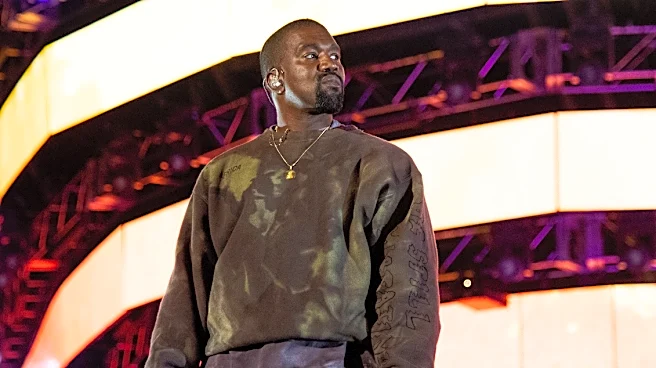
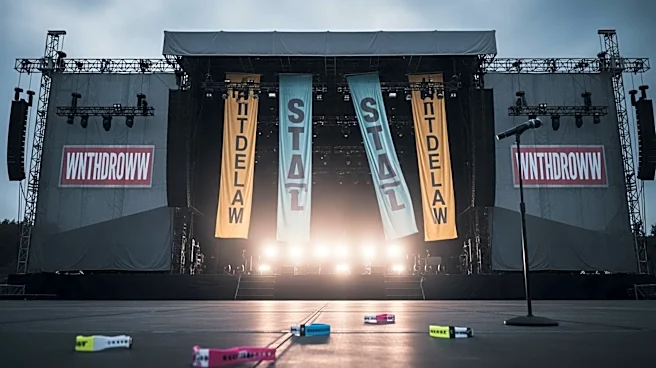
The British government has blocked Ye, formerly known as Kanye West, from entering the UK, leading to the cancellation of the Wireless Festival where he was set to perform. The decision was made due to Ye's history of antisemitic and pro-Nazi remarks,
including a song titled 'Heil Hitler' and swastika-branded merchandise. Prime Minister Keir Starmer criticized Ye's booking as deeply concerning, while Reform UK leader Nigel Farage opposed barring entry based on comments but condemned Ye's remarks. The festival's cancellation reflects the government's stance on public safety and extremism.
Why It's Important?
The cancellation of the Wireless Festival highlights the growing intolerance for antisemitic and extremist views in public spaces, particularly in the entertainment industry. This decision reflects the UK government's stance on maintaining public safety and upholding values against hate speech. The incident underscores the influence of advocacy groups in shaping public policy and the potential financial and reputational consequences for events and organizations that fail to address such concerns. It also raises questions about the responsibilities of cultural institutions in vetting their participants and the broader implications for artists with controversial histories.
What's Next?
The festival organizers are now tasked with finding replacements for Ye's headlining slots, a challenge given the short notice and the competitive landscape of summer music events. The incident may prompt other festivals and venues to reassess their booking policies and the potential backlash from hosting controversial figures. Additionally, Ye's future engagements in the UK and other countries may be scrutinized, affecting his international touring capabilities. The situation may also lead to broader discussions within the music industry about the balance between artistic freedom and social responsibility.