



What's Happening?
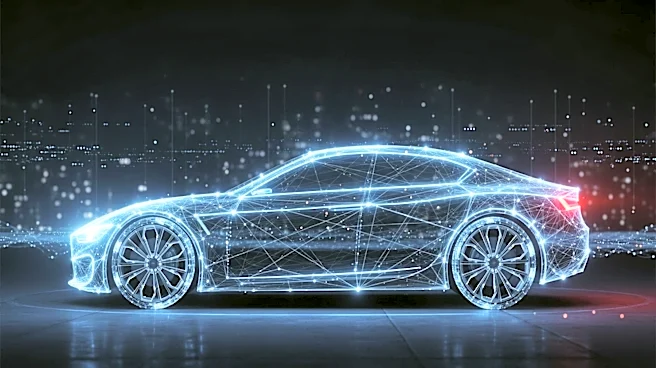
Automotive manufacturers are increasingly utilizing edge engineering to implement physical AI solutions in vehicles. This approach is crucial for overcoming challenges associated with deploying AI in cars, such as connectivity issues and latency. AI-enabled
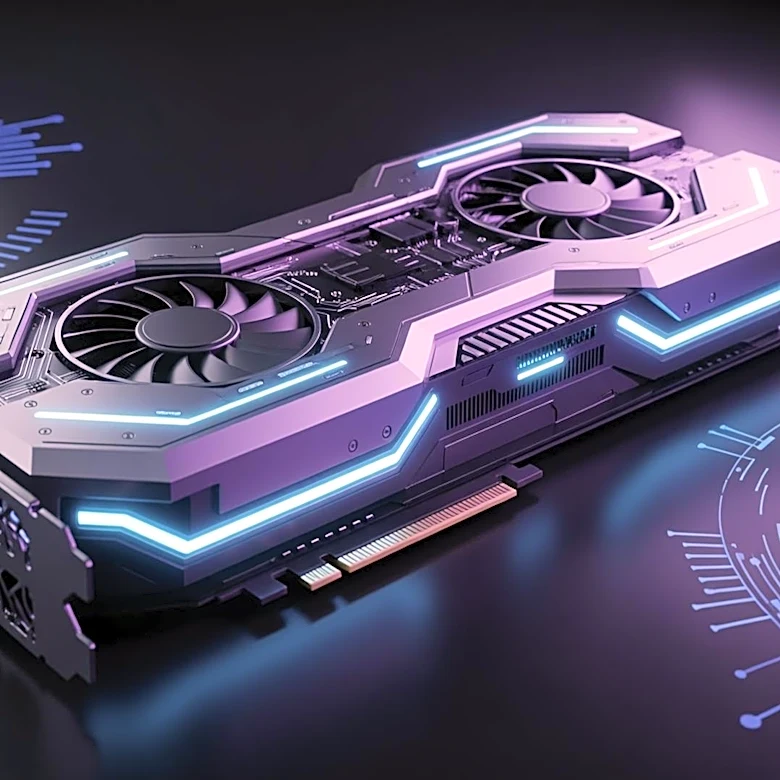
features like advanced driver assistance systems (ADAS) are becoming standard, enhancing driving experiences by assisting with steering, braking, and parking. Additionally, AI is being used to improve in-cabin experiences through hyper-personalization, adjusting settings like seat positions and climate control based on driver preferences. However, implementing these solutions requires addressing constraints such as power consumption and thermal limits, which edge engineering helps to manage by optimizing AI models and using lower power GPUs.
Why It's Important?
The integration of physical AI in vehicles is significant as it meets the rising expectations of consumers for enhanced digital experiences. A study by McKinsey & Co highlighted that a substantial percentage of premium car owners are willing to switch brands for better digital experiences. This trend pushes automakers to innovate and differentiate their offerings through AI, providing a competitive edge. Moreover, the ability to execute AI functions without relying on cloud connectivity is crucial for safety-critical features, ensuring that vehicles can operate effectively even in connectivity dead zones. This development not only enhances user experience but also addresses safety and operational efficiency, which are critical in the automotive industry.
What's Next?
As the automotive industry continues to evolve towards software-defined vehicles, manufacturers are expected to further integrate AI solutions that are optimized for edge constraints. This includes early engineering of AI capabilities into vehicle design to ensure seamless integration and performance. The use of virtual platforms for testing AI systems before deployment will likely become more prevalent, allowing manufacturers to validate performance and ensure reliability. Additionally, the industry may see increased collaboration with technology companies to develop more advanced AI solutions that can be scaled across different vehicle models, enhancing both the driving and in-cabin experiences.