






What's Happening?
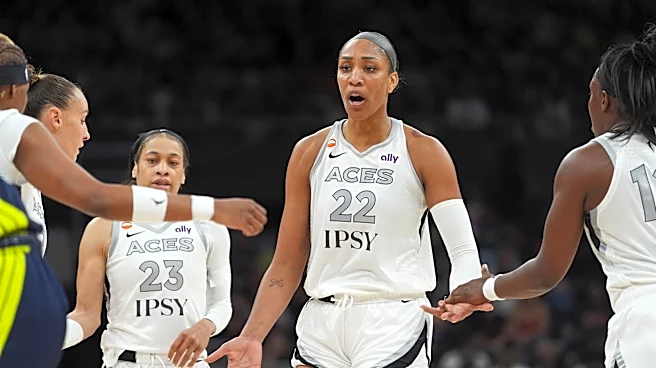
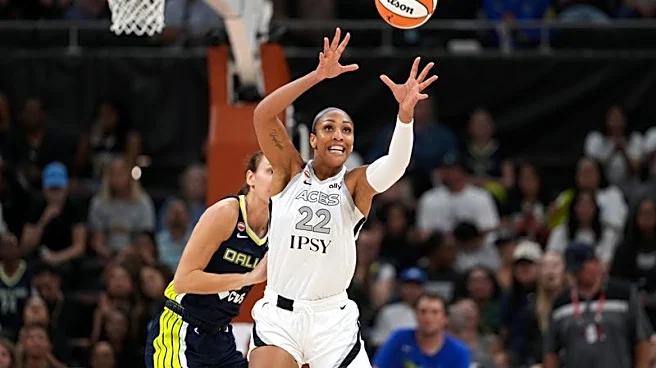
The WNBA has implemented a new collective bargaining agreement (CBA) that significantly increases player salaries. The salary cap has risen from $1.5 million in 2025 to $7 million in 2026. Top players like Napheesa Collier, Kelsey Mitchell, and A'ja Wilson
have signed maximum contracts worth $1.4 million for the 2026 season. The average salary for WNBA players has increased to approximately $600,000, a substantial rise from the previous average of just over $100,000. The new CBA also affects rookie contracts, with the No. 1 overall pick, Azzi Fudd, earning $500,000 in her first season. This financial boost is part of the league's efforts to enhance its profile and attract new talent.
Why It's Important?
The increase in salaries under the new CBA is a pivotal moment for the WNBA, reflecting a broader push for gender pay equity in sports. This financial uplift not only benefits current players but also positions the league as a more attractive option for future talent. The substantial salary increases could lead to greater player retention and attract top athletes who might otherwise consider international leagues. Additionally, the financial growth signals the league's expanding market presence and potential for increased sponsorship and media deals, which could further elevate the WNBA's status in the sports industry.
What's Next?
As the WNBA continues to grow, the league may see an influx of new talent and possibly the expansion of teams. The increased salaries could lead to more competitive play and higher viewership, potentially resulting in more lucrative broadcasting deals. The league's player union will likely continue to advocate for further improvements in player conditions and benefits. Stakeholders, including sponsors and media partners, will be closely monitoring the league's performance and growth trajectory.