




What's Happening?
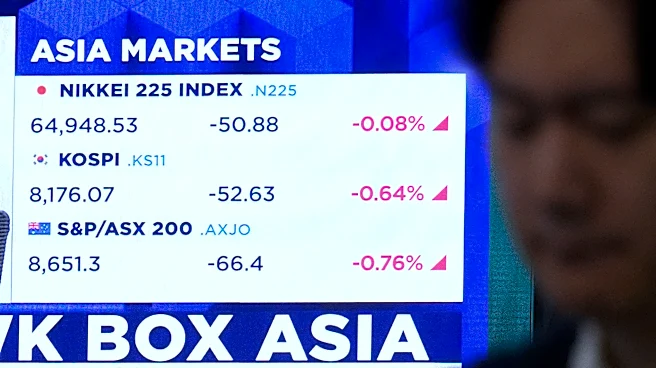
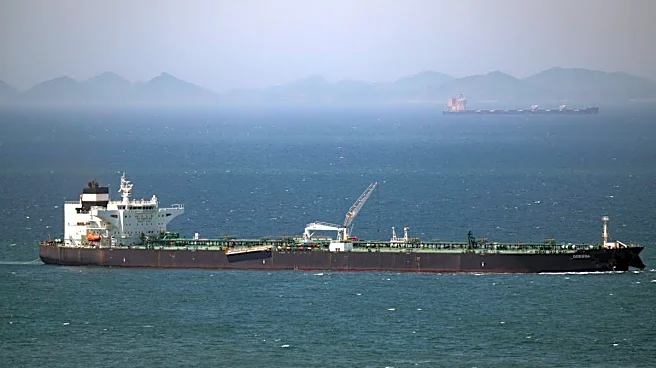
Goldman Sachs has analyzed the recent sell-off in U.S. Treasurys, suggesting that it aligns with historical reserve-management behavior rather than indicating a structural shift away from dollar assets. The sell-off, influenced by higher oil prices due
to the US-Iran conflict, has pressured currencies and foreign reserves in Asia, leading to increased Treasury selling. Despite this, Goldman Sachs notes that the Treasury market has shown resilience, with swap spreads and other indicators stabilizing after an initial shock. The analysis highlights that foreign central banks often sell Treasurys during periods of dollar strength to stabilize local currencies, which can temporarily reduce Treasury holdings. However, the depth and liquidity of U.S. capital markets continue to support Treasury demand.
Why It's Important?
The analysis by Goldman Sachs is significant as it addresses concerns about the global demand for U.S. debt and the dollar. The resilience of the Treasury market despite foreign selling suggests that the U.S. financial system remains deeply integrated with global economies. This stability is crucial for maintaining the dollar's status as a reserve currency, which has broad implications for international trade and finance. The continued demand for Treasurys supports the U.S. government's ability to finance its operations and manage its debt. Additionally, the analysis provides insights into how geopolitical events, such as the US-Iran conflict, can impact global financial markets and influence central bank behaviors.
What's Next?
Assuming geopolitical tensions ease, Goldman Sachs anticipates that renewed dollar weakness and lower market volatility could bolster foreign demand for U.S. Treasurys. This potential increase in demand would further stabilize the Treasury market and reinforce the dollar's position as a global reserve currency. Market participants and policymakers will likely monitor these developments closely, as they could influence future monetary policy decisions and international economic relations.