
What's Happening?
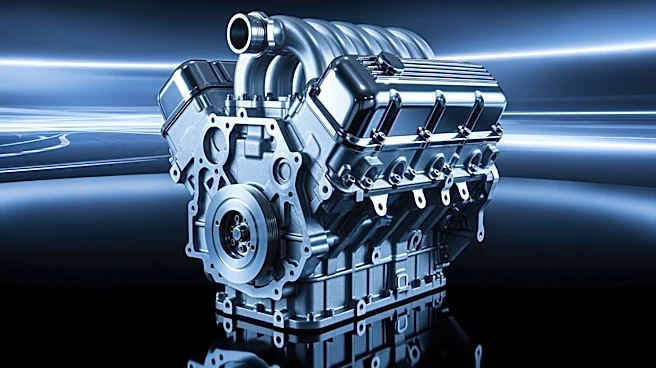
Formula 1 authorities have reached a consensus on modifying the engine design for the 2027 season. This decision, made during a meeting involving teams, the commercial rights holder F1, and the governing
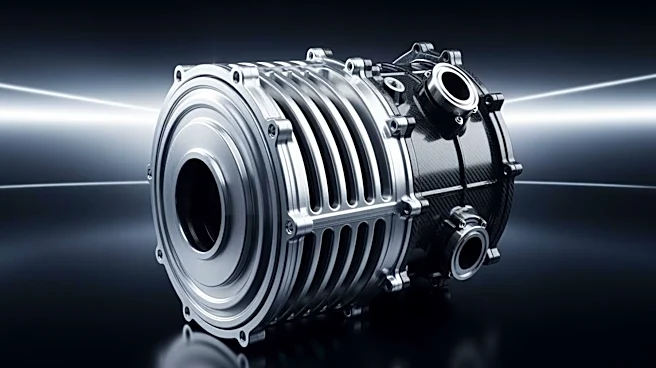
body FIA, aims to address criticisms of the current power units. The agreed changes will increase the power from the internal combustion engine by 50kW (67bhp) while reducing the electrical power by the same amount. This adjustment is expected to allow drivers to adopt a more conventional driving style during qualifying sessions. The change is anticipated to reduce the need for energy harvesting, which currently causes speed reductions before corners and through fast curves. The FIA has stated that the changes were unanimously agreed upon, and further discussions will take place in technical groups to finalize the details.
Why It's Important?
The decision to alter the engine design is significant as it addresses ongoing concerns about the current power units' performance and energy management requirements. By reducing the reliance on energy harvesting, the changes aim to enhance the overall driving experience and competitiveness in Formula 1. This move is expected to benefit teams and drivers by allowing more consistent performance across different circuits. Additionally, the changes could lead to cost savings for teams, as some are interested in carrying over their chassis into 2027, which would be facilitated by the new engine design. The decision reflects a broader effort to balance technological advancements with practical racing needs, potentially setting a precedent for future developments in motorsport.
What's Next?
The next steps involve detailed discussions within technical groups comprising teams and power-unit manufacturers to finalize the engine design changes. These groups will explore various methods to make energy harvesting less critical or easier to manage. The development of existing engines will be necessary to implement the changes, and teams are reportedly eager to tackle this challenge. Additionally, considerations regarding the size of fuel tanks and chassis carryover will need to be addressed to ensure a smooth transition to the new engine specifications. The outcome of these discussions will shape the final package for the 2027 season, with potential implications for the competitive landscape of Formula 1.