
What's Happening?
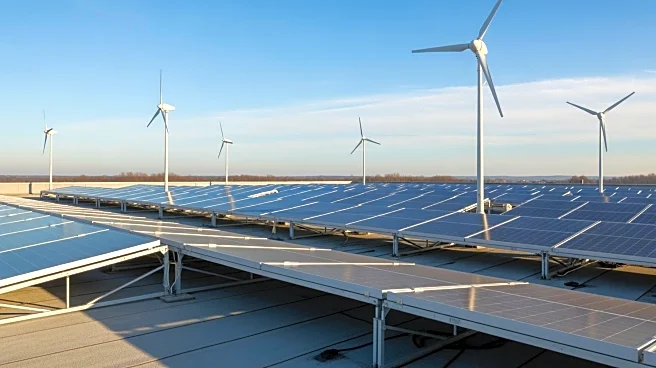
In the U.S., commercial and industrial sectors are increasingly adopting on-site power generation solutions to enhance reliability and reduce dependency on the central grid. This shift is driven by the need for resilient power systems that can withstand
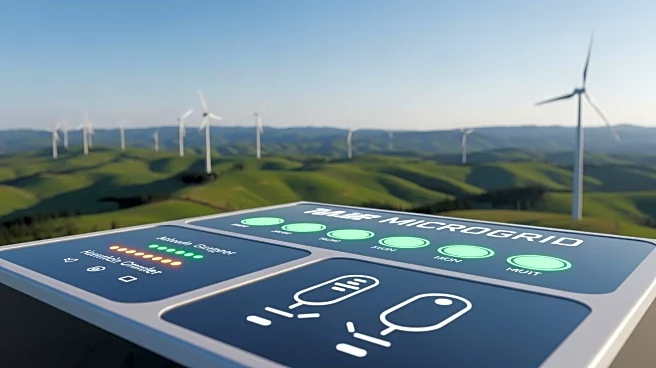
grid disruptions and extreme weather events. Businesses are investing in technologies such as microgrids, energy storage, and cogeneration systems to achieve energy autonomy and cost savings. The decentralization of power systems allows companies to manage peak demand and improve operational efficiency, which is crucial for maintaining uninterrupted operations.
Why It's Important?
The move towards on-site power generation has significant implications for U.S. businesses, particularly in terms of energy security and financial stability. By reducing reliance on the central grid, companies can mitigate risks associated with power outages and grid congestion. This transition also supports sustainability goals by enabling the integration of renewable energy sources. As businesses become more self-sufficient in their energy needs, they can achieve greater control over their energy costs and reduce their carbon footprint, aligning with broader environmental objectives.
What's Next?
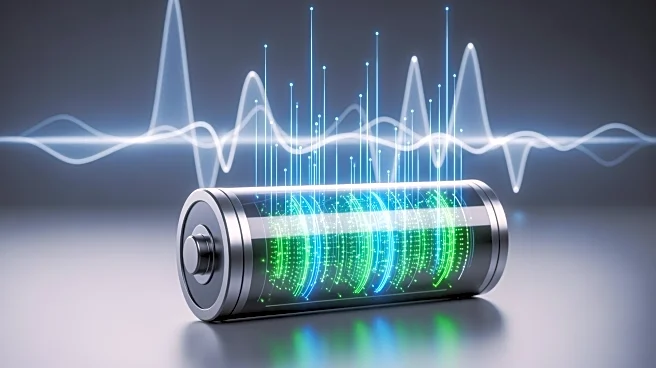
As the trend towards decentralization continues, businesses will likely invest more in advanced energy technologies and infrastructure to further enhance their energy resilience. The development of new battery chemistries and energy storage solutions will be critical in supporting this transition. Additionally, regulatory frameworks may evolve to accommodate the growing adoption of distributed energy resources, potentially leading to new business models and market opportunities in the energy sector.