
What's Happening?
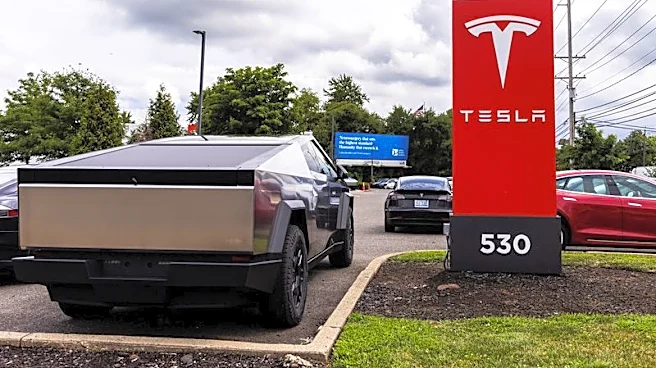
Tesla Inc. has officially ended the production of its premium Model S and Model X vehicles, marking the end of an era for the electric vehicle manufacturer. CEO Elon Musk announced the decision, emphasizing
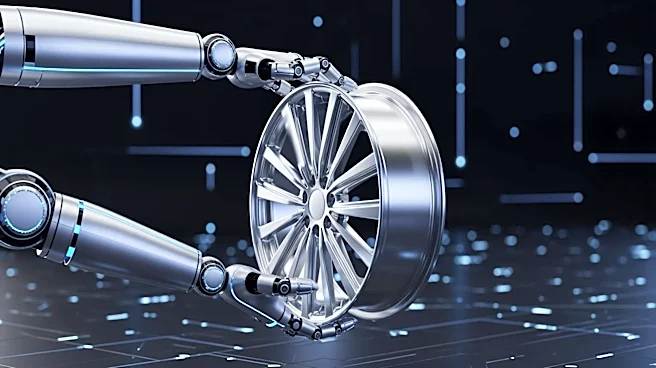
a shift in focus towards the production of the Optimus Humanoid Robot at Tesla's Fremont, California facility. Despite the cessation of custom orders, several units of the Model S and X remain available in inventory. The Model S, introduced in 2012, and the Model X, launched in 2015, were pivotal in establishing Tesla's reputation in the electric vehicle market. The company is now concentrating on its AI and autonomous driving technologies, including the development of the Cybercab and the Terafab AI Chip project.
Why It's Important?
The discontinuation of the Model S and X signifies Tesla's strategic pivot towards advanced technologies and robotics, potentially reshaping its market position. This move could impact Tesla's brand identity, traditionally associated with luxury electric vehicles, as it ventures into AI and robotics. The shift may influence the broader automotive industry, prompting competitors to accelerate their own technological advancements. Additionally, Tesla's focus on AI and autonomous driving could lead to significant innovations in transportation, affecting regulatory frameworks and consumer adoption of autonomous vehicles.
What's Next?
Tesla plans to host a ceremony to commemorate the end of the Model S and X production. The company is also expected to continue developing its AI and autonomous driving capabilities, with potential new vehicle models on the horizon. As Tesla transitions, stakeholders will be watching for the impact on its financial performance and market share. The company's ability to successfully integrate AI and robotics into its operations will be crucial in maintaining its competitive edge.