



What's Happening?
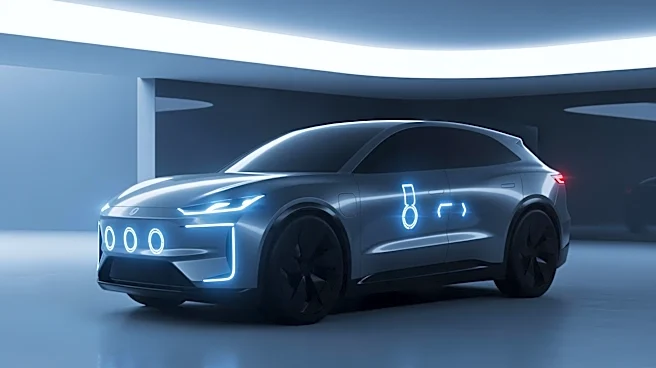
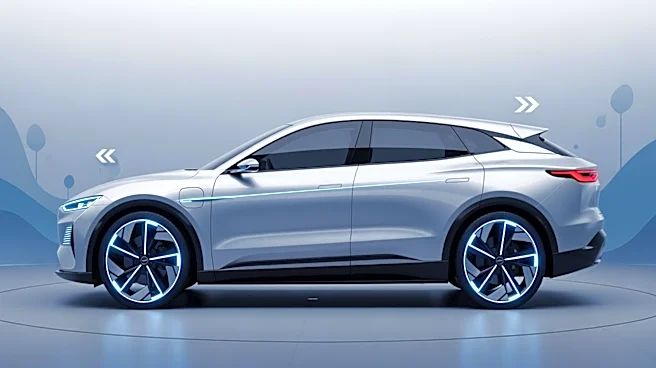
Rivian has announced that it will begin delivering its new R2 SUVs to customers on June 9. The R2 model is designed to be more affordable than Rivian's existing R1 lineup, with an initial price just under $60,000. The company plans to introduce a 'standard'
version priced at $48,490 in 2027, and an even more affordable variant around $45,000 by late next year. Rivian's CEO, RJ Scaringe, has emphasized the importance of the R2, describing it as potentially the most significant launch for the company to date. Rivian aims to deliver up to 25,000 R2 vehicles by the end of the year, with the expectation that the R2 and its hatchback sibling, the R3, will help the company achieve profitability for the first time since its inception in 2009.
Why It's Important?
The launch of the R2 SUV represents a strategic move by Rivian to capture a larger share of the electric vehicle market by offering more competitively priced models. This expansion is crucial for Rivian as it seeks to establish itself as a major player in the EV industry, competing with established brands like Tesla. The introduction of the R2 is also significant for consumers, as it provides more affordable options in the growing electric SUV segment. Rivian's success with the R2 could influence market dynamics, encouraging other automakers to accelerate their own affordable EV offerings. Additionally, achieving profitability would mark a major milestone for Rivian, potentially boosting investor confidence and supporting further innovation and expansion.
What's Next?
Rivian's focus will be on ramping up production to meet delivery targets and ensuring the R2's successful market entry. The company will likely continue to refine its production processes and supply chain logistics to support the anticipated increase in demand. As Rivian works towards profitability, it may explore additional market opportunities and partnerships to enhance its competitive edge. The broader EV market will be watching closely to see how Rivian's pricing strategy and product offerings influence consumer preferences and industry trends.