



What's Happening?
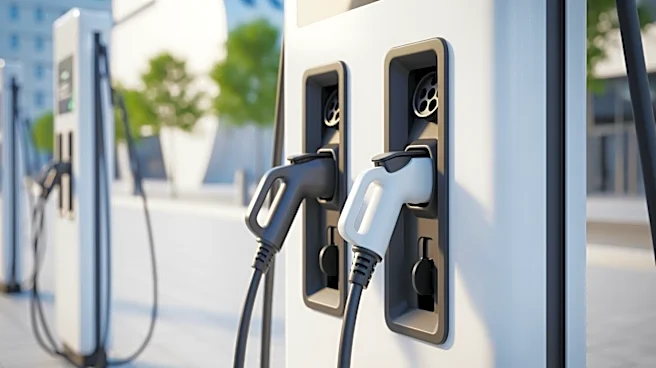
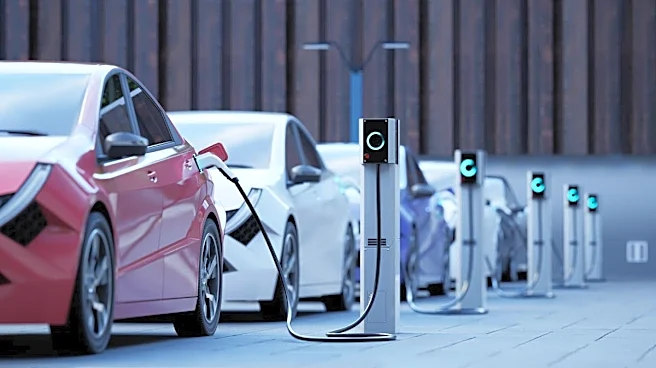
Volvo Cars has announced that it will allow its drivers to access Tesla's Supercharger network across 29 European countries starting from the fourth quarter of 2026. This initiative will be facilitated through the Volvo Cars app, which already provides
access to over 1.2 million charging points across Europe. The eligible Volvo models include the EX30, EX40, EC40, EX60, EX90, and ES90. This expansion builds on Volvo's existing access to Tesla Superchargers in North America, where the app connects to more than 120,000 charging points. Alejandro Castro Pérez, Head of Energy Solutions at Volvo Cars, stated that this move supports the company's efforts towards charging standardization and interoperability, making it easier for Volvo drivers to access fast charging networks.
Why It's Important?
The integration of Tesla's Supercharger network into Volvo's charging infrastructure represents a significant step towards the standardization of electric vehicle (EV) charging. This move could enhance the convenience and appeal of owning a Volvo EV, potentially increasing sales and market share in the competitive EV market. By providing easier access to a widely recognized fast charging network, Volvo is likely to improve customer satisfaction and loyalty. Additionally, this development underscores the growing trend of collaboration between automakers to address infrastructure challenges in the EV sector, which could accelerate the transition to electric mobility and reduce range anxiety among consumers.
What's Next?
Volvo plans to transition selected models in Japan and South Korea to the North American Charging System (NACS) by 2029, using the SAE J3400 standard. This indicates a broader strategy to harmonize charging standards across different regions, which could further simplify the charging process for consumers. As the rollout of Tesla Supercharger access progresses, Volvo may face reactions from other automakers and stakeholders in the EV industry, potentially leading to more partnerships or competitive responses. The success of this initiative could influence future collaborations and innovations in the EV charging landscape.