




What's Happening?
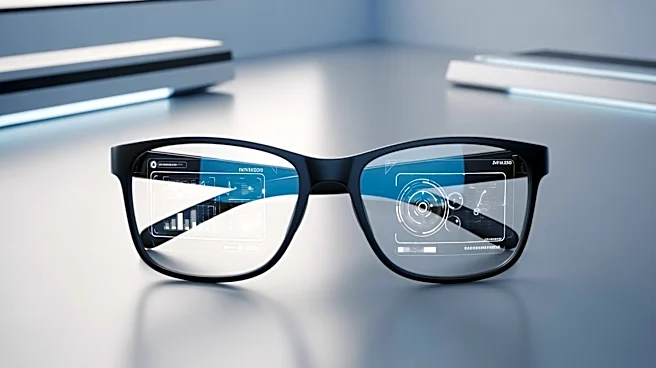
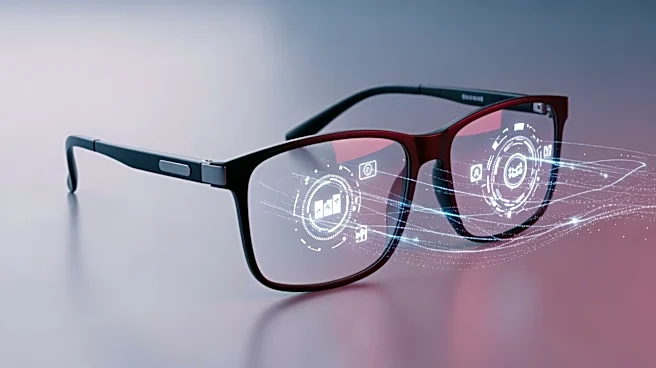
Meta has opened its display glasses to third-party developers, while Xreal has launched gaming-oriented smart glasses. Despite these efforts, the adoption of smart glasses remains sluggish. The market, which once held high expectations for augmented reality
(AR) devices, is seeing limited consumer interest. Meta's initiative aims to boost the utility of its glasses by allowing more apps and games, but the timing may be too late to capture significant market share. Xreal's focus on gaming could attract a niche audience, yet the overall market response has been tepid.
Why It's Important?
The slow uptake of smart glasses highlights challenges in consumer technology adoption, particularly for AR devices. Companies like Meta and Xreal are investing in expanding the functionality of these devices, but consumer hesitation suggests a gap between technological capabilities and user needs or desires. This situation underscores the importance of timing and market readiness in tech product launches. The tepid response could impact future investments in AR technology and influence how companies approach the development and marketing of similar products.
What's Next?
For Meta and Xreal, the next steps involve enhancing the appeal of their smart glasses through improved features and broader application support. They may need to invest in marketing strategies that better communicate the benefits of AR technology to consumers. Additionally, feedback from current users could guide future iterations of the products. The companies might also explore partnerships with other tech firms to integrate more compelling content and applications, potentially revitalizing interest in smart glasses.