






What's Happening?
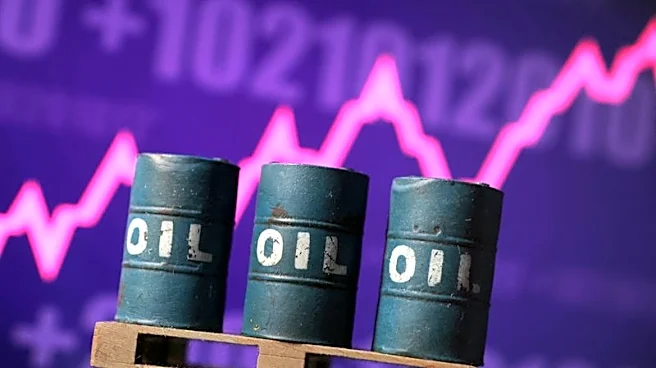
Six major fossil fuel companies, including Chevron, Shell, BP, ConocoPhillips, Exxon, and TotalEnergies, are projected to earn nearly $3,000 in profits every second in 2026, according to a report by Oxfam International. This marks a significant increase
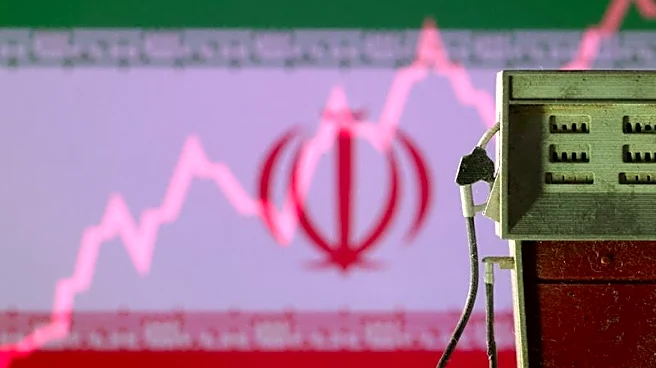
in profits, amounting to approximately $94 billion for the year, driven by the ongoing conflict in Iran. The conflict has led to heavy restrictions on the Strait of Hormuz, a critical chokepoint for the oil and gas industry, causing global oil prices to rise above $100 per barrel. Despite these soaring profits, many of these companies have reduced their commitments to transitioning towards clean energy, opting instead to increase investments in oil and gas. This trend has been criticized by climate policy advocates who argue that these companies are profiting from geopolitical instability while contributing to global inequality.
Why It's Important?
The surge in profits for fossil fuel companies highlights the broader economic and social impacts of geopolitical conflicts on global energy markets. As these companies benefit financially, consumers worldwide face increased energy costs, contributing to a cost-of-living crisis. In the U.S., gas prices have averaged $4 per gallon, exacerbating financial pressures on households already dealing with high grocery and housing costs. The situation is particularly dire in Asian and sub-Saharan African countries, where fuel shortages have led to rationing and operational challenges in essential services like healthcare. The reluctance of major oil companies to invest in renewable energy amid these profits raises concerns about the long-term sustainability of energy resources and the global commitment to addressing climate change.
What's Next?
The ongoing geopolitical tensions and their impact on oil prices are likely to continue influencing the profitability of fossil fuel companies. Stakeholders, including governments and environmental groups, may increase pressure on these companies to reinvest profits into sustainable energy solutions. Additionally, consumer advocacy groups might push for policy changes to mitigate the financial burden on households. The response from the fossil fuel industry and its willingness to adapt to a changing energy landscape will be crucial in shaping future energy policies and addressing climate change challenges.